Oct 11, 2026Buying Guides
Hot Stamping vs Cold Stamping Foil: Which One Should You Choose?
A practical comparison of hot stamping and cold stamping foil - stamping conditions, substrate compatibility and typical applications - to help printers and packagers pick the right process.
QUICK ANSWER
Choose hot stamping foil for paper, board and most plastics at 90-120 °C on a heated die. Choose cold stamping foil when the surface cannot take heat - PE, PP, PVC and UV-coated paper - transferring it at 160 W/cm² or more, at 35-40 m per minute.
01 HOW HOT STAMPING WORKS
Hot stamping uses a heated die to press foil onto the surface. This is the classic route for paper boxes, greeting cards, labels and printed sheets, and our standard grades are rated for 90-120 °C.
The bonding comes from heat and pressure in a single pass, so the finish survives well on paper and board. If your product is a rigid gift box or a wine label, this is usually the simpler option.
02 HOW COLD STAMPING WORKS
Cold stamping transfers foil onto a UV-curing adhesive layer instead of a heated die. These foils are specified by energy and speed: 160 W/cm² or more at up to 40 m per minute on plastics, and 35 m per minute on paper.
Because there is no heat, cold stamping suits heat-sensitive substrates - PE, PP and PVC parts, plus coated paper and board. It also keeps fine detail on small areas and cuts cleanly, which is why it is popular for flexible packaging and label work.
03 COMPARISON AT A GLANCE
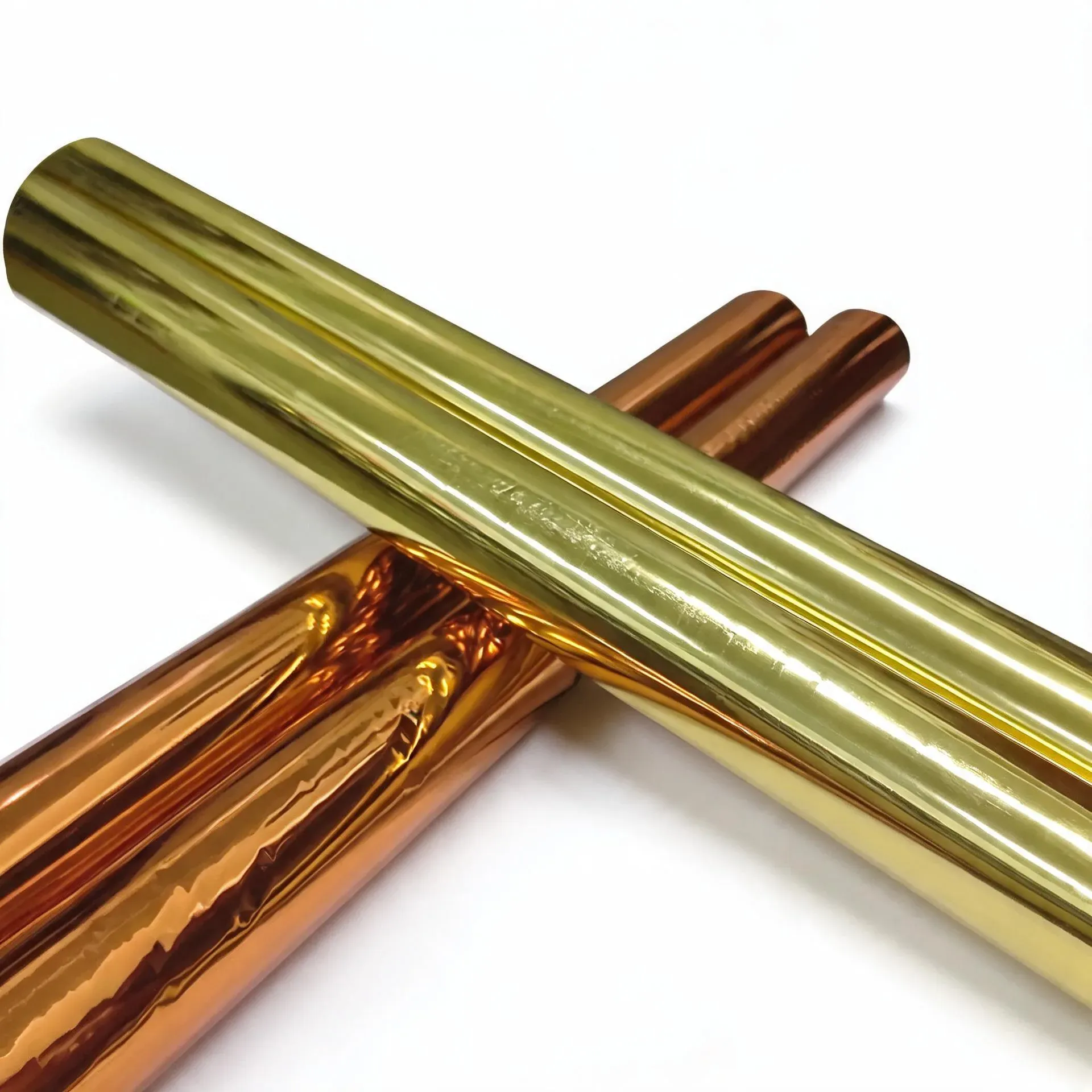
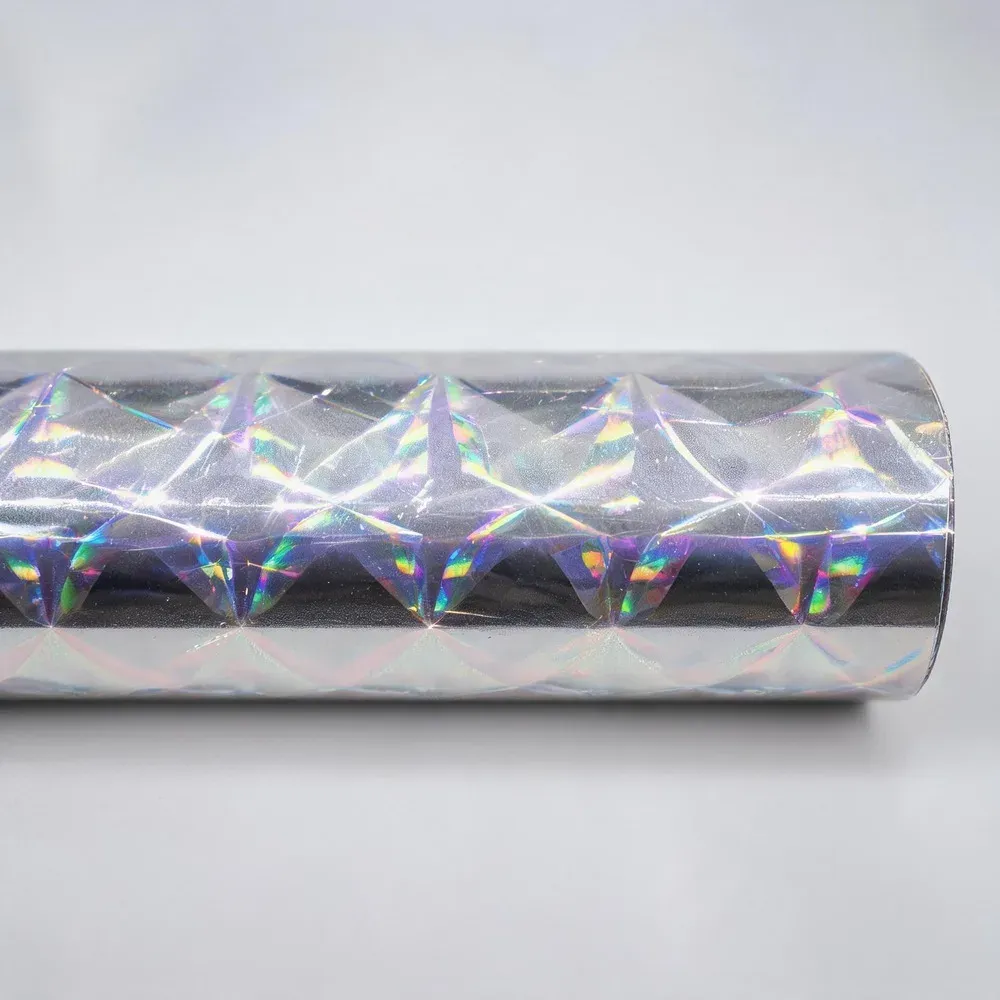
What it affects: surface compatibility, cycle time and finish durability. What to check: your substrate type, your machine (heated die vs UV unit), the smallest detail you need, and the effect you want - metallic, holographic, pigment or pearlescent.
Typical figures from our own product range: hot stamping foils run at 90-120 °C on paper and plastic; cold stamping foils need 160 W/cm² minimum and reach 40 m/min on plastic.
04 WHICH PROCESS FITS YOUR JOB
For paper boxes, cards, labels and most rigid plastics, start with hot stamping foil. For thin films, PP/PVC parts, UV-coated surfaces where heat is risky, cold stamping foil is the safer fit.
If you are not sure, a trial run settles it quickly. Send us your substrate sample, target effect and machine details, and we will recommend the right grade - our standard roll is 64 cm x 120 m with a 12 micron PET carrier, and custom widths and colors are available.
05 NEXT STEP
Tell us what you are stamping - substrate, machine and effect - and we will match a foil and send a sample for testing before you order in bulk.