Buying Guides
What Is the MOQ for Custom Color Hot Stamping Foil?
There is no single MOQ for custom-color foil — it depends on the grade, the color, and the width you order. Here is what drives it, and what to send a factory to get a usable MOQ in writing.
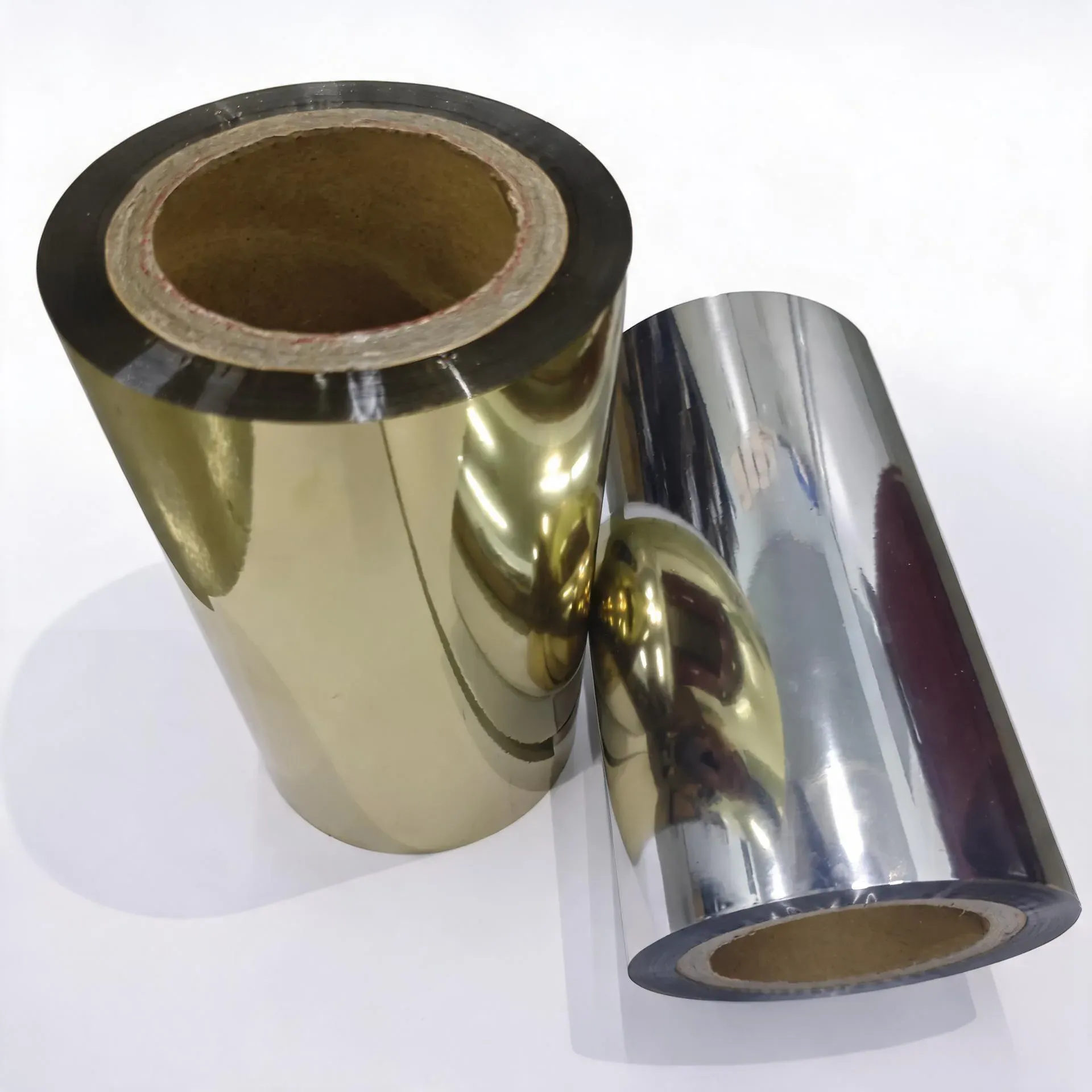
Do not expect one MOQ for the whole site. A factory's minimum for a custom color depends on three things: which foil grade you need, how far the color is from a color it already makes, and the width and quantity you order. A standard effect in a regular width may be available in a smaller quantity than a matched custom pigment color made only for your job. As a guide, at Yuanji Foil our standard MOQ is 100 rolls. Standard gold and silver foil in a regular color can sometimes be negotiated down to 50 rolls or more, depending on the order — but an order well below the minimum costs more per roll, so reaching the minimum is usually the cheaper way to buy. So the useful question is not "what is your MOQ?" — it is "what is the MOQ for this color, on this grade, at this width, for my quantity?" Get that answer in writing, for your exact order, before you approve a sample or place an order.
Start with the grade, not the color
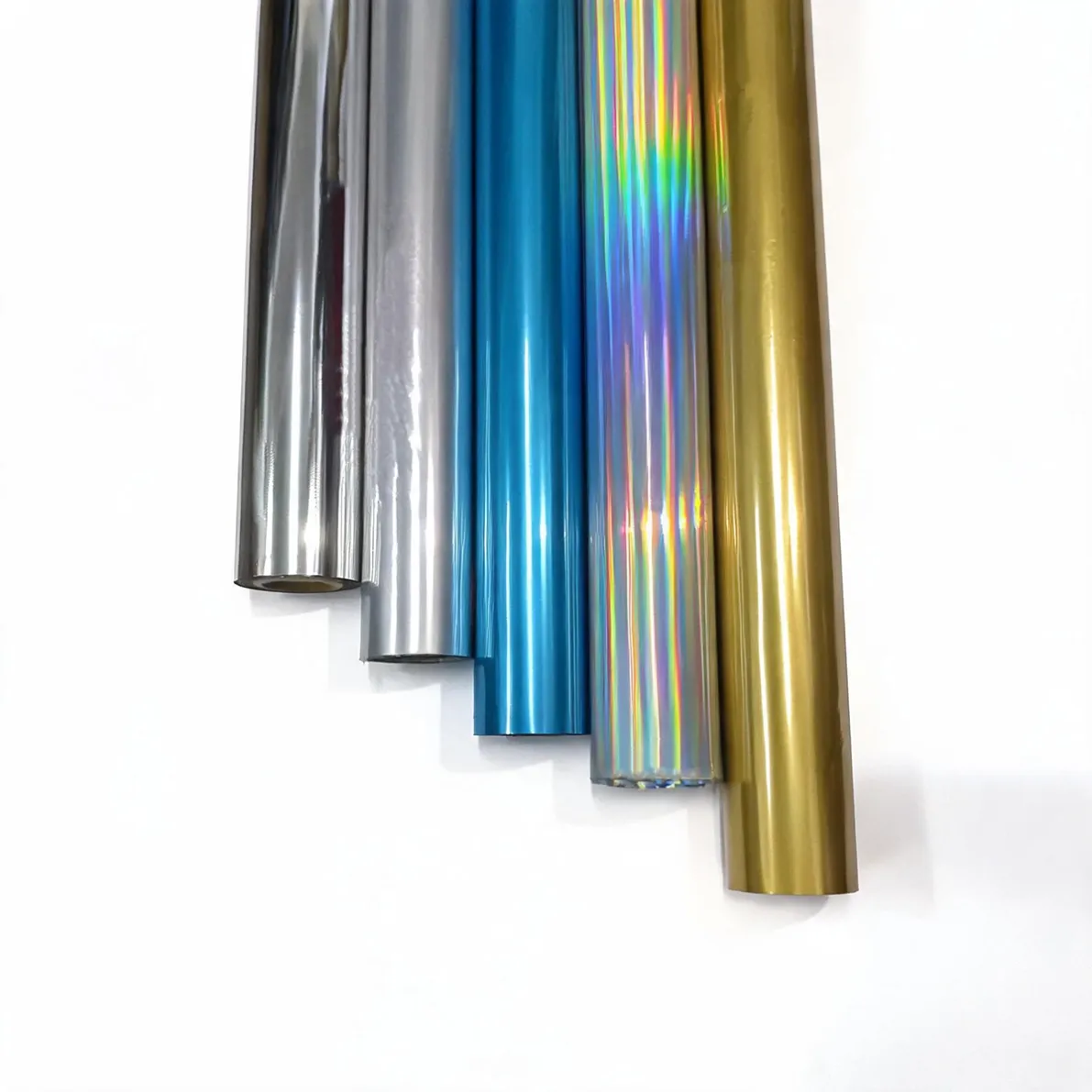
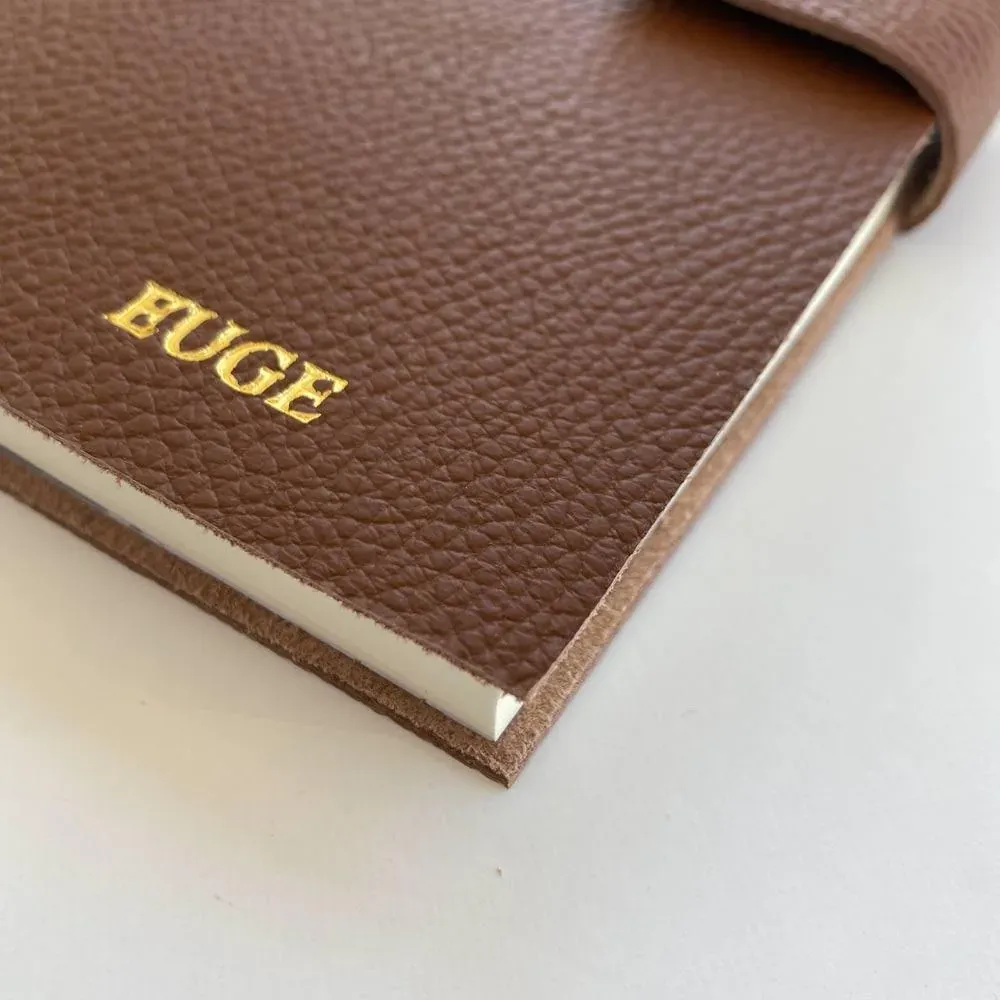
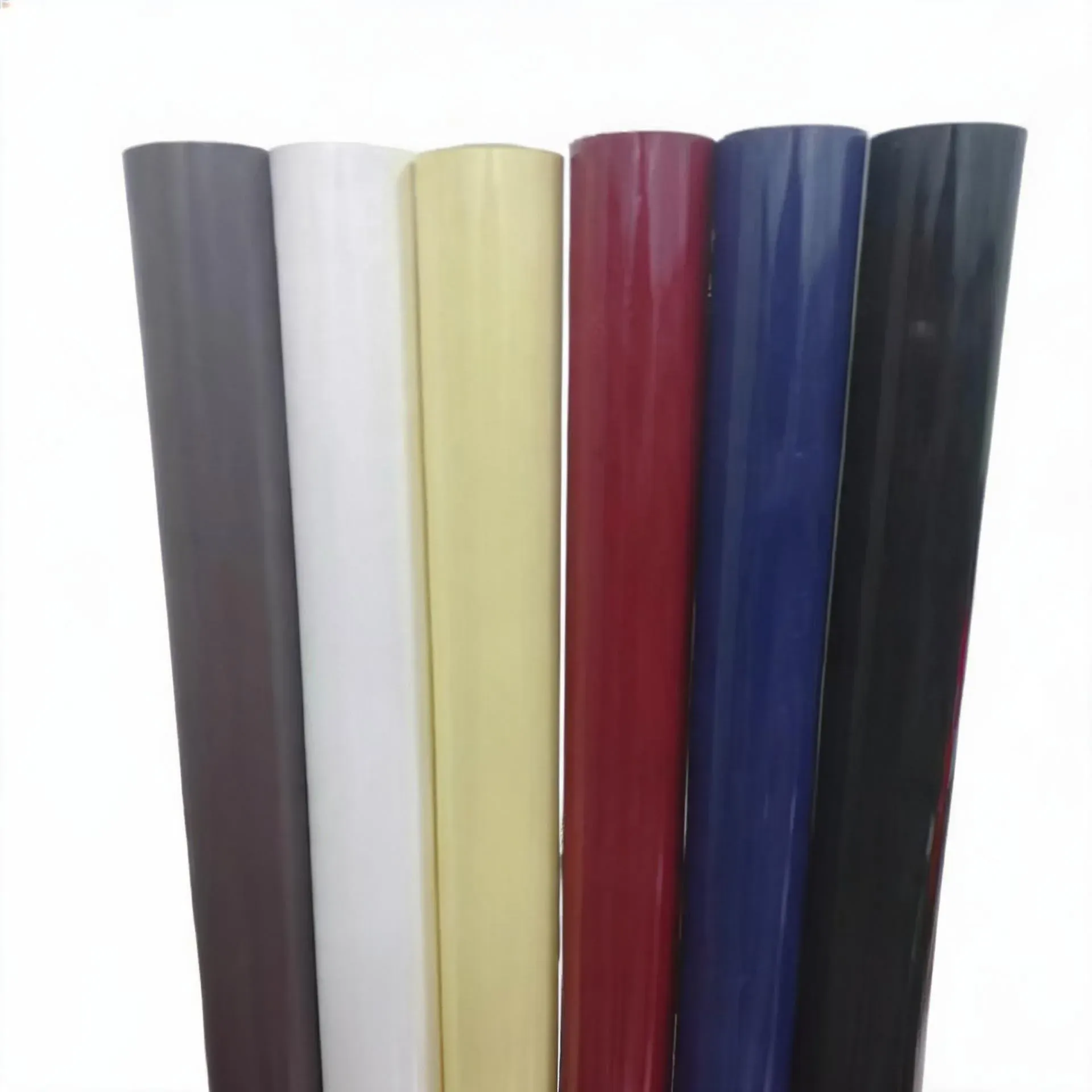
MOQ is set per grade first, because different foils are made and stocked differently. Our range covers five product families: coffee-tone, standard gold, holographic gold, multi-color pigment hot stamping foil, and gold and silver cold stamping foil. A custom color is most often a pigment-foil question, but the same color can behave differently — and be priced and stocked differently — on different grades and substrates. So send the grade and the substrate together: for example, pigment foil for coated paperboard, or for PU leather, or for plastic. A MOQ quoted for standard gold on paper does not tell you the MOQ for a custom pigment color on leather.
Why a custom color usually has a higher minimum
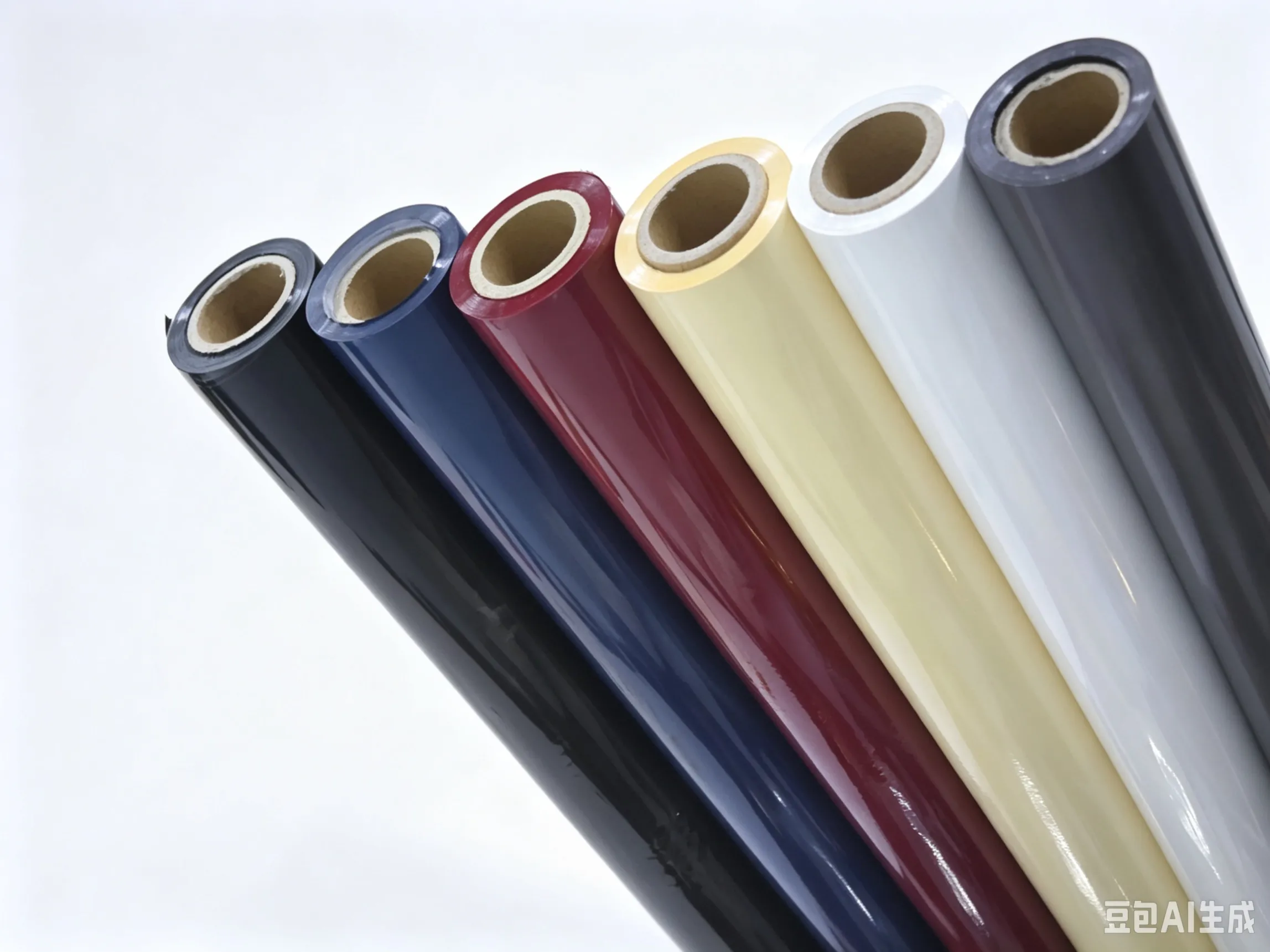
A color the factory already makes can often be supplied from an existing run. A color matched only for you cannot. Matching a custom color means making that color, checking it against your sample or Pantone-style reference, and setting up a run for it. That setup is the same whether you order a little or a lot, so a factory spreads it over a minimum quantity. The further the color is from its regular range, and the tighter your color tolerance, the more likely the minimum is to be higher. Dark colors are the strictest case: at Yuanji they need a 100-roll run, because a shorter run wastes too much foil in color matching and setup. This is also why a seller who quotes a MOQ without asking for your color reference, substrate, or width is guessing. Ask how the MOQ was set, and what would change it — a wider roll, a repeat order, or a color closer to a regular one.
Width and quantity change the answer
Width matters as much as color. Foil is slit to width, so a narrow custom width and a wide custom width are different jobs, with different waste and setup. When you ask for a MOQ, give all three:
- the foil grade and color, with a physical color reference if you have one;
- the width you need;
- and the quantity you expect to order, including whether this is a one-off or a repeat order.
A repeat order can change the discussion: a factory that has already matched your color once may be able to run a smaller top-up, because the color work is already done. Ask about that separately — do not assume the first-order MOQ is also the re-order MOQ.
Do not order the minimum before you test it
A low MOQ is not a bargain if the foil does not work on your substrate. Before you commit to a minimum quantity, test a sample of the matched color on your real substrate, with your real artwork — especially the smallest text — at production speed. Our pre-order testing checklist covers the six checks that matter most: real substrate, temperature window, fine detail, tape adhesion, rub/scratch/alcohol resistance, and a short production trial. Use it before you approve any new foil, custom color or not. Keep one approved, dated sample of the matched color. Compare every later delivery against it. If a later batch stamps differently, that sample is your evidence — and a real factory will want to see it, because it tells them what changed.
Get the MOQ and the rest of the terms in writing
Before you order, get these in writing for your specific foil, color, and width:
- minimum order quantity, and whether it differs for a custom color versus a regular color (as a guide at Yuanji: 100 rolls standard, 100 rolls for dark colors, and standard gold/silver sometimes 50 rolls or more by agreement);
- price, and what it includes;
- lead time from order to shipment;
- and how samples and color matching are charged, if at all.
Do not accept a MOQ quoted for a different grade, a different color, or a different width. Foil pricing and MOQ vary by grade, color, and size, so a number that is right for standard gold may be wrong for a custom pigment color. If a seller will not put the terms for your exact order in writing, do not order.
What to send for a custom-color MOQ quote
Send the factory:
- your substrate, including coating or lamination;
- the foil effect and grade you need;
- the color reference — a physical sample is best;
- the width, and the quantity you expect to order;
- your machine type and speed;
- and whether this is a first order or a repeat.
A factory that asks for those details is quoting your job. One that quotes a MOQ without them is guessing.
Get a custom color tested for your substrate
Send us your substrate, color reference, width, and expected quantity, and we will recommend a grade, check the color match, and test it before you order. Use the inquiry form on our Contact page, email kevin@yuanjifoil.com, or WhatsApp +86 199 1896 1505. Our working hours are Monday to Friday, 9:00–21:00 (GMT+8).