Buying Guides
Can I Get a Full Color Range From One Hot Stamping Foil Factory?
Yes — one factory can cover gold, holographic, pigment and cold foil in a full colour range, if you check shade consistency, grade coverage and colour matching before you order.
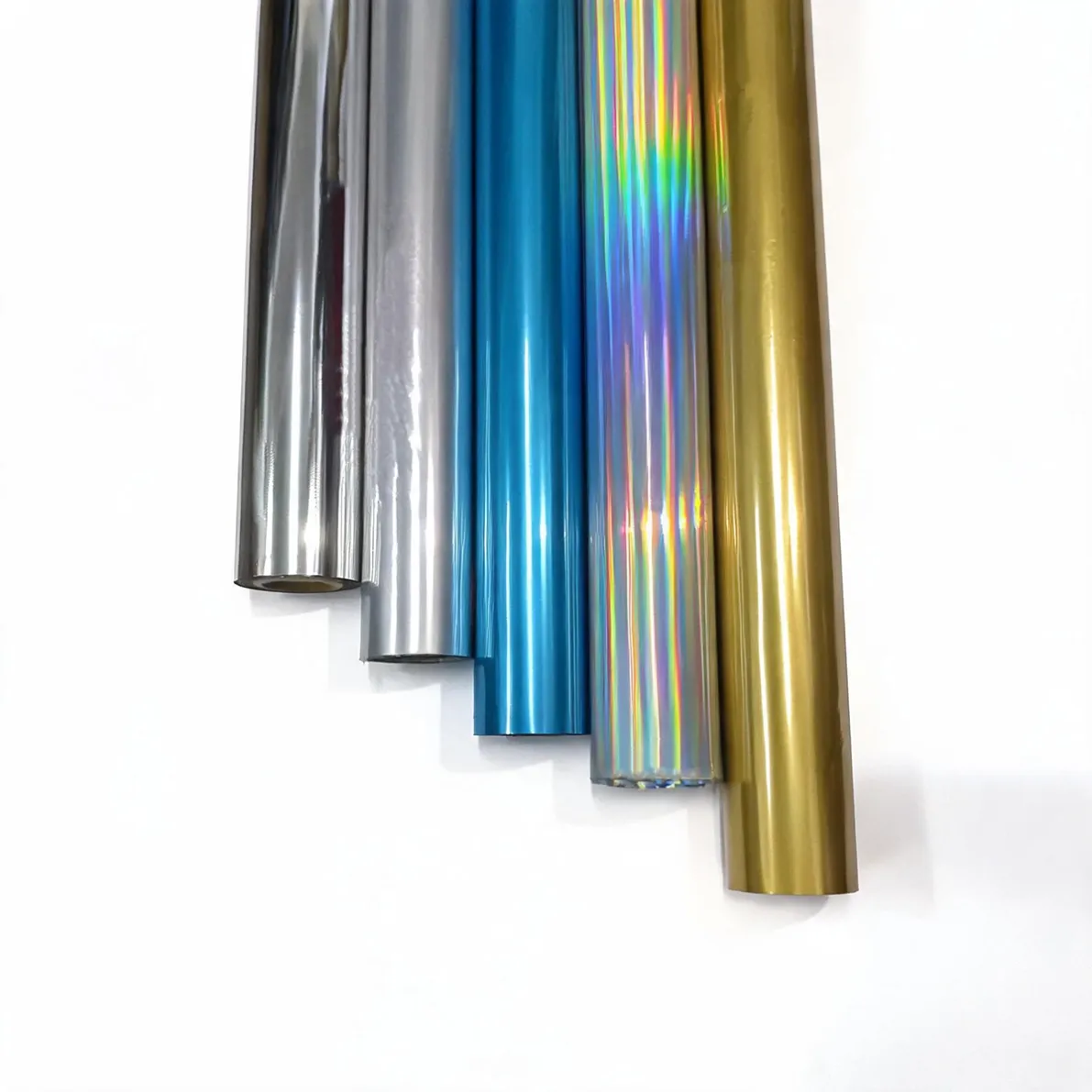
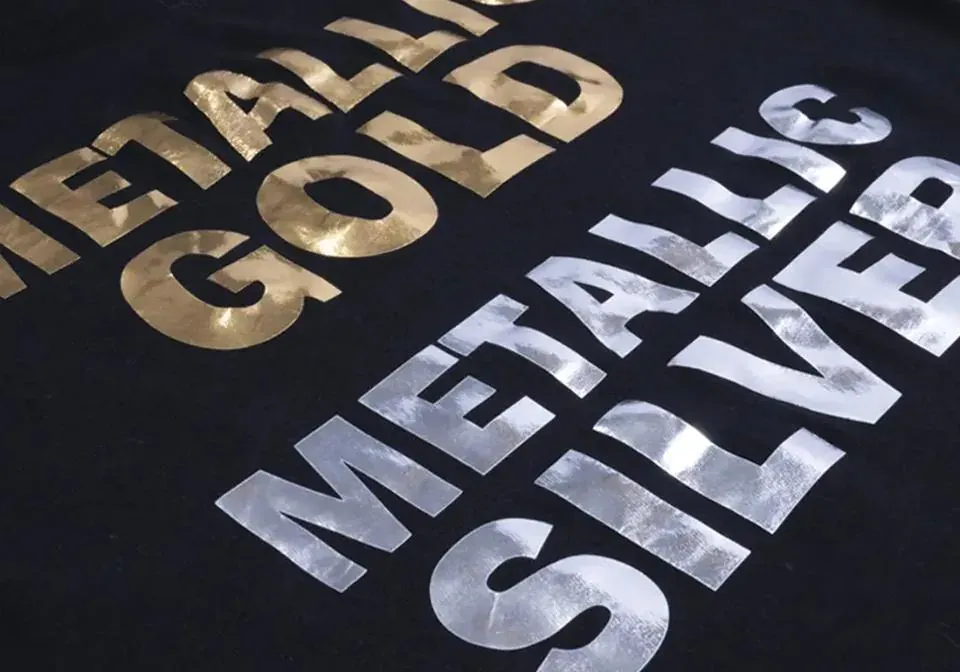
Short answer: Yes — if the factory actually makes the range, rather than buying it in. One supplier can cover standard gold, holographic gold, coffee-tone, multi-color pigment and gold and silver cold foil, in standard shades and in matched custom colors. That is useful only if the same shade looks the same across grades and batches, and if the factory will match a color for you and test it on your substrate. So do not ask only "how many colors do you have?" Ask which grades each color is made on, how the factory keeps a shade consistent, and what it needs from you to match a color that is not in its standard range.
Start with what "full range" has to cover
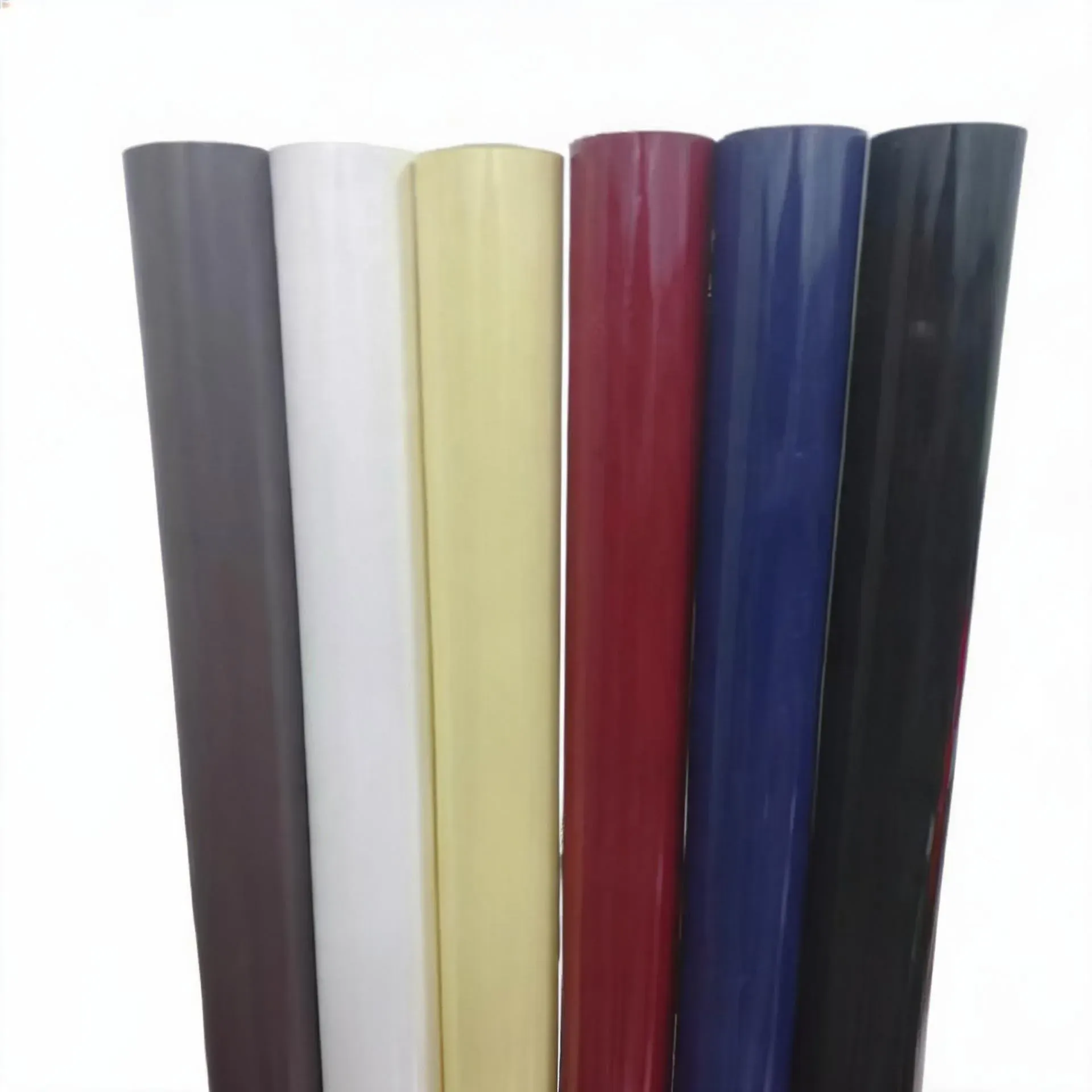
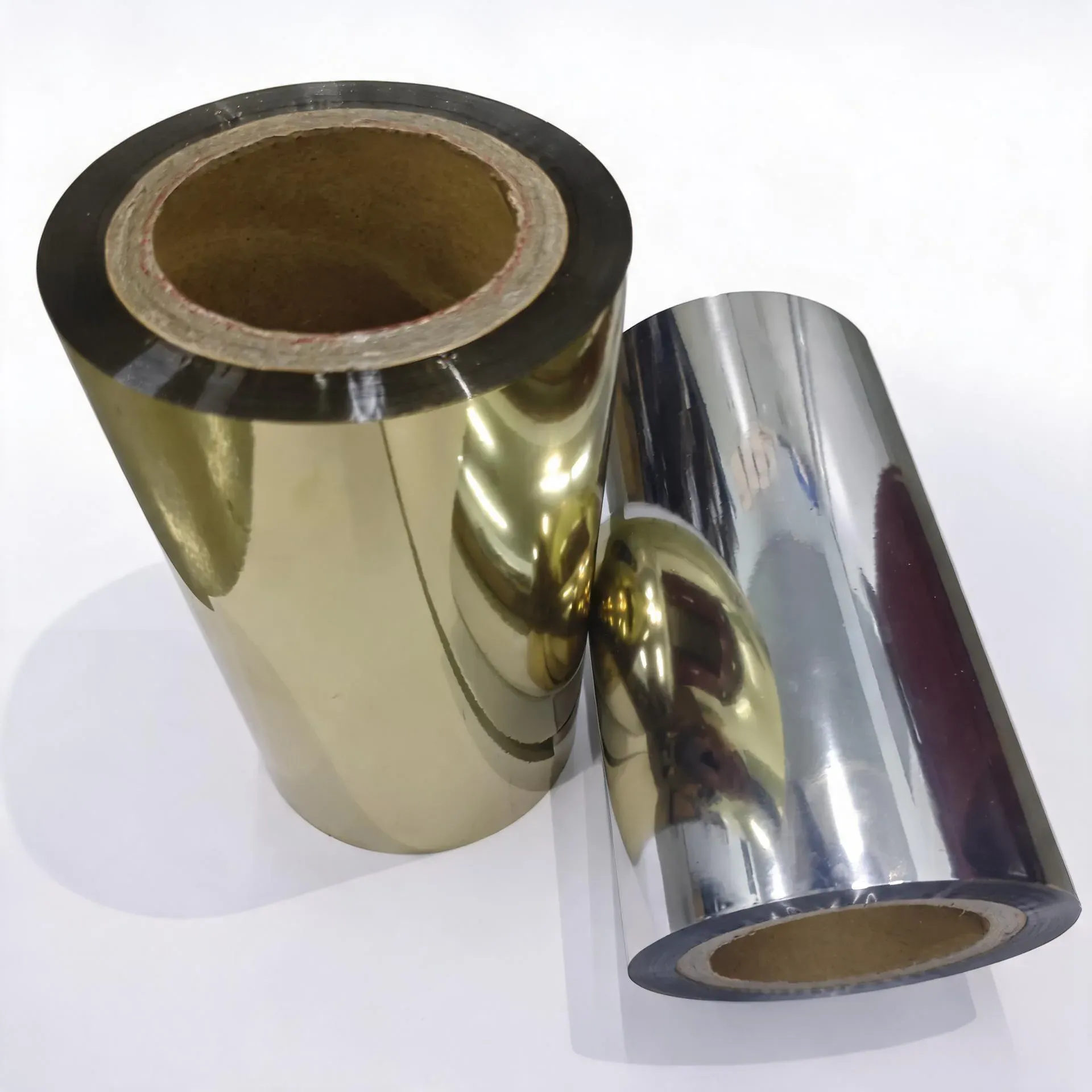
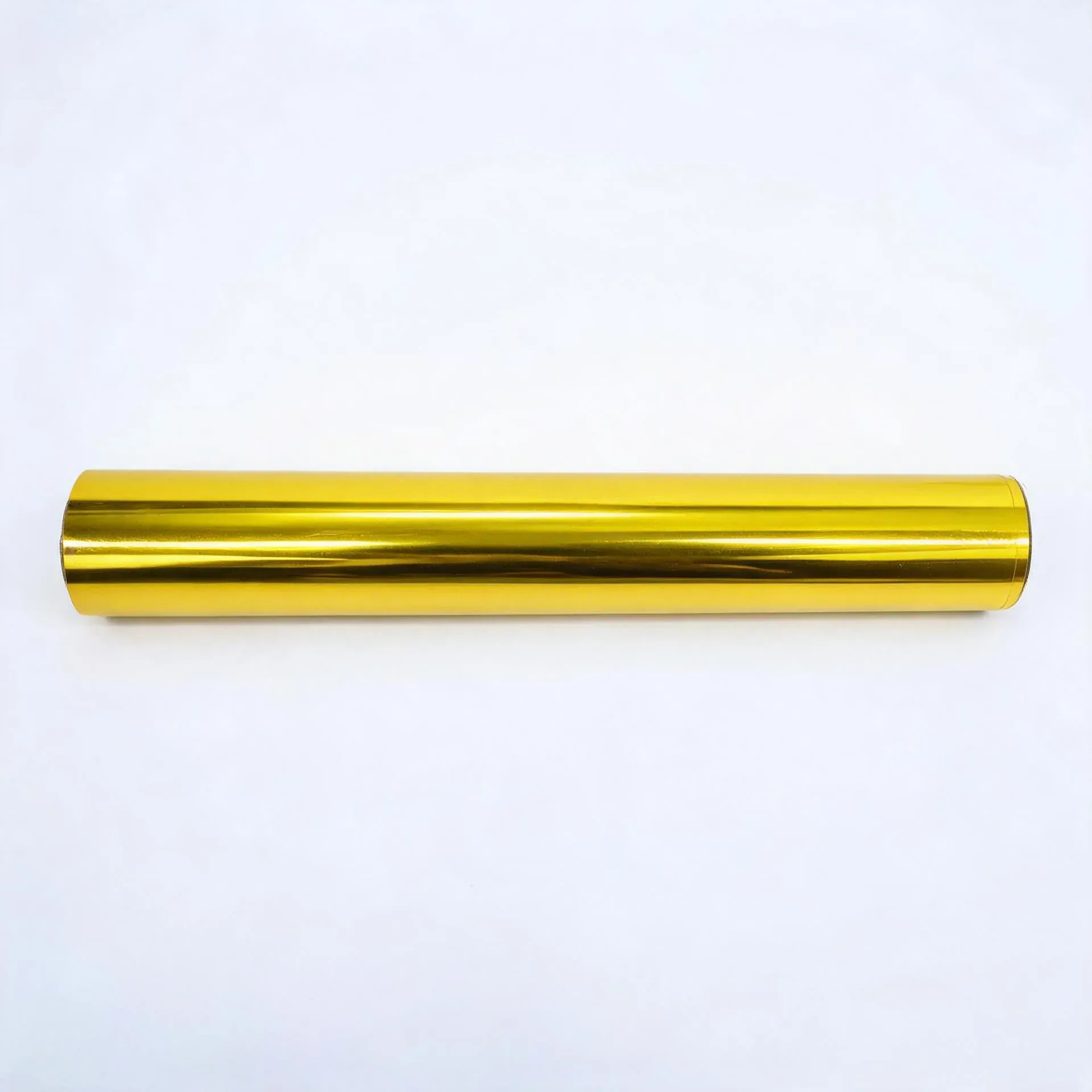
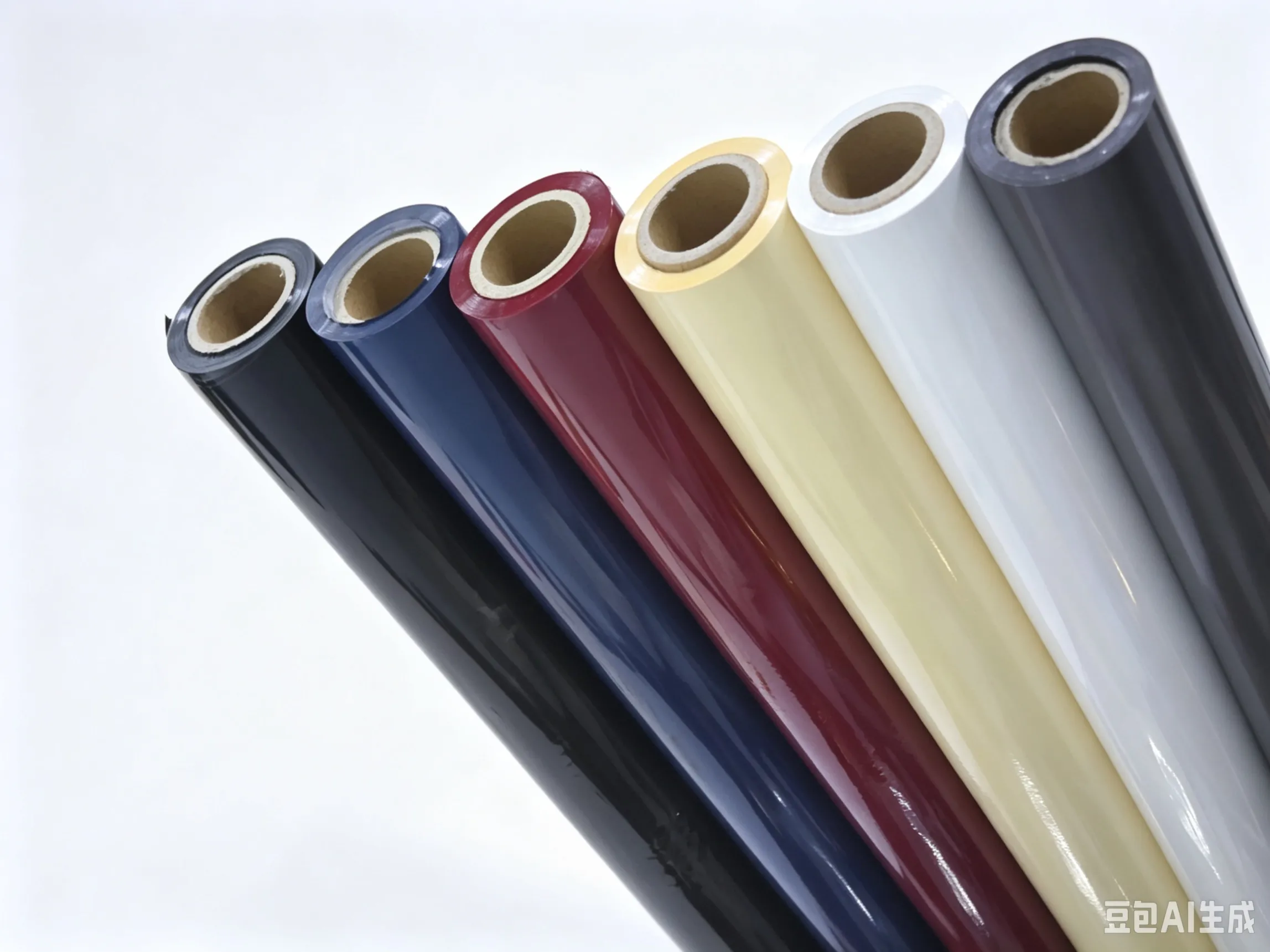
A full range is not a swatch book. It has to cover the effects and the substrates you actually run. Our range covers five product families: coffee-tone, standard gold, holographic gold, multi-color pigment hot stamping foil, and gold and silver cold stamping foil. The pigment foil comes in six standard shades — grey, white, gold, red, blue and black — and custom colors are available on request.
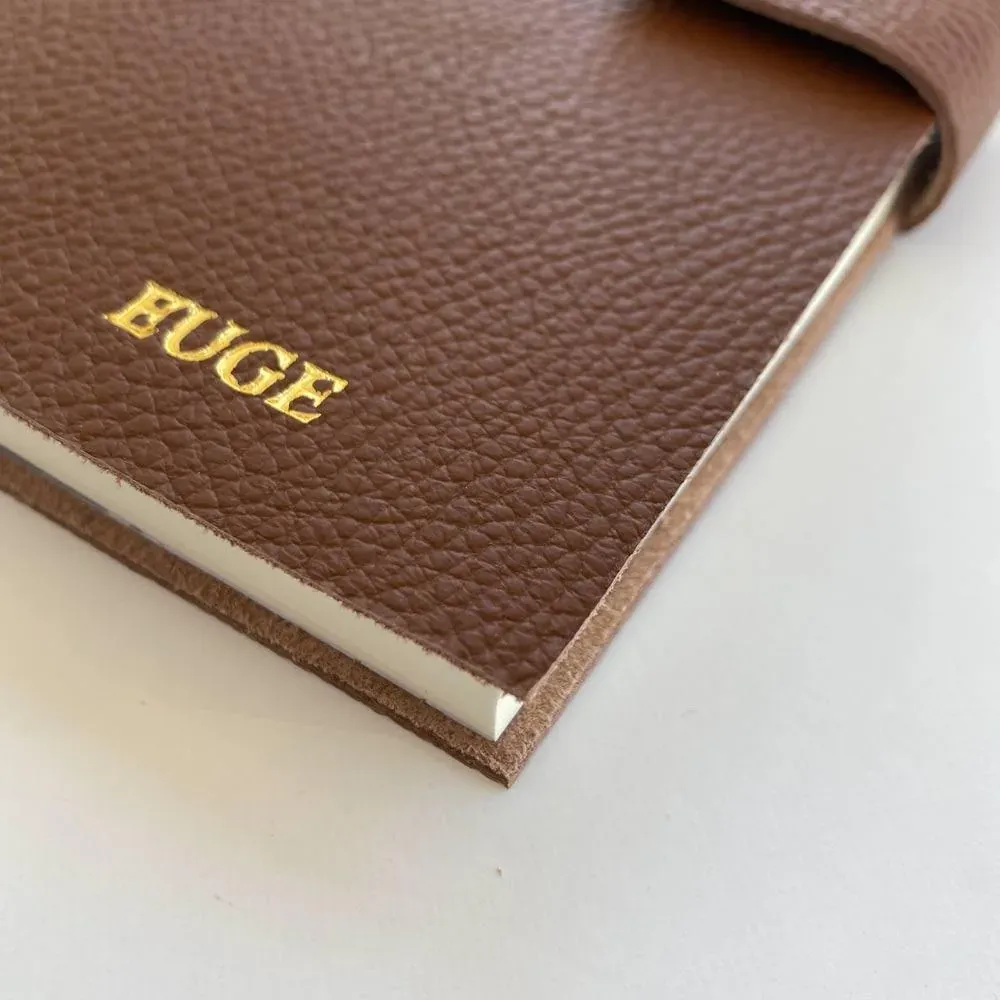
A buyer who needs gold for cartons, a pigment color for leather, and a holographic effect for a premium box should be able to get all three from the same factory, on grades made for each substrate, instead of splitting the order across three sellers.
Ask for the range in writing, by grade and substrate: which colors are standard on each grade, and which are matched to order? A color that is standard on pigment foil may not exist on cold foil, and a holographic effect may not be available in the shade you need. That is normal — the question is whether the factory tells you before you order.
Check that the same shade stays the same across grades and batches
The risk of one supplier is not the number of colors. It is a gold that looks different on paper than it does on leather, or a red that shifts from one order to the next. Ask how the factory keeps a shade consistent: the same color layer and release, the same check against an approved sample, and the same test before a batch ships. Keep one approved, dated sample of each color you order. Compare every later delivery against it. If a later batch stamps differently, that sample is your evidence — and a real factory will want to see it, because it tells them what changed. Test the colors you will actually use, on your real substrate, at production speed — not only the gold. A pigment color can behave differently from standard gold on the same board, and a dark color can need a different run length. At Yuanji, dark colors need a 100-roll run, because a shorter run wastes too much foil in color matching and setup; standard gold and silver can sometimes be negotiated down to 50 rolls or more, depending on the order. Ask for the MOQ for each color and grade in writing, for your exact order — do not assume the MOQ for standard gold is also the MOQ for a custom pigment color.
Colour matching: what to send, and what a good answer looks like
A standard range will not cover every brand color. That is where matching matters. Send the factory a physical color reference if you have one — a printed sample, a foil sample, or a Pantone-style reference — together with your substrate, the foil grade, the width, and the quantity you expect to order. A factory that asks for those details is quoting your job. One that quotes a color match without them is guessing. A good answer names the grade, the substrate it was tested on, and the MOQ and lead time for that matched color, in writing. It also says what happens if the first match is not close enough: how many rounds of matching are included, and how a revised sample is charged, if at all. Do not approve a matched color from a swatch book. Test a sample of the matched color on your real substrate, with your real artwork — especially the smallest text — before you commit to a minimum quantity.
One factory, one test — use the same checks for every color
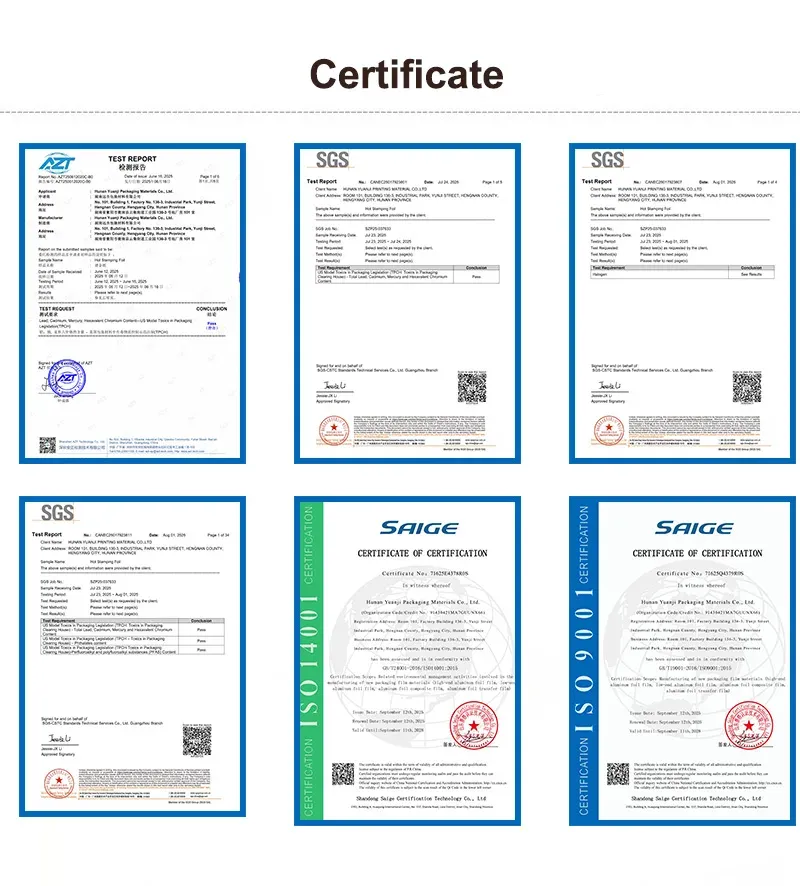
Use the same pre-order checks for every color in the range, not only the first one. Our pre-order testing checklist covers the six checks that matter most:
- real substrate
- temperature window
- fine detail
- tape adhesion
- rub/scratch/alcohol resistance
- a short production trial
Run them on the color and grade you will actually order, because a grade that passes in gold may fail in a dark pigment color on the same substrate. If you are consolidating several colors with one factory, ask for the samples together, on the same substrate, in the same trial. That is the fastest way to see whether the range is really one range — same release, same handling, same finish — or several different foils that happen to share a supplier.
Get the range and the terms in writing
Before you order, get these in writing for your specific colors, grades, and widths:
- Which colors are standard and which are matched to order, by grade
- Minimum order quantity per color and grade (as a guide at Yuanji: 100 rolls standard, 100 rolls for dark colors, and standard gold/silver sometimes 50 rolls or more by agreement)
- Price, and what it includes
- Lead time from order to shipment, for a standard color and for a matched color
- How samples and color matching are charged, if at all
Do not accept a color range quoted for a different grade, a different substrate, or a different width.
If a seller will not put the terms for your exact order in writing, do not order.
What to send for a full-range quote
Send the factory:
- Your substrates, including coating or lamination
- The effects you need — gold, holographic, pigment, or cold foil
- The colors, with a physical reference for any matched color
- The widths, and the quantities you expect to order
- Your machine type and speed
- Whether this is a first order or a repeat
Get your colours tested from one factory
Send us your substrates, color references, widths, and expected quantities, and we will recommend a grade for each color, check the match, and test it before you order. Use the inquiry form on our Contact page, email kevin@yuanjifoil.com, or WhatsApp +86 199 1896 1505. Our working hours are Monday to Friday, 9:00–21:00 (GMT+8).