Product Knowledge
Silicone vs Metal Dies for Plastic Parts
Choose a die by the part's shape first, then pressure, heat and detail — not by material.
QUICK ANSWER
The die for a plastic part is chosen by the shape of the surface first, then by the pressure the part will take, then by the temperature and the fineness of the artwork. A flat area can use a metal die. A contoured or concave area can use a silicone die, especially where the part varies from piece to piece. Contoured metal dies exist, but they need precise alignment and tolerate part variation poorly. A fully cylindrical part has two documented arrangements - the part can roll over a flat die, or run under a heated silicone-coated roller - so check the machine and the wrap before the die is ordered. A common rule of thumb - rigid substrate, likely a silicone die; flexible substrate, likely a metal die - does come from a die maker, but it is a rough material heuristic: the same die maker's own substrate chart and its pressure guidance both qualify it. Treat it as a proxy for how the part is made, a molded 3D form or a flat web, not for pressure.
01 SHAPE COMES BEFORE HARDNESS
Two sentences from the die trade frame the first question. If the area to stamp is flat, a metal die may be used. If it is contoured or concave, a silicone rubber die may be used. That is the usual starting point, not a physical limit: flat work usually goes to metal, contoured work usually goes to silicone, and a trial decides the exceptions.
A hard die provides no compensation. Molded parts vary: sinks, wall-thickness variation, shrinkage that differs across a large part, and mold-making deviation. A metal die holds its own shape and imposes it on the part, so a variation in the part shows up as uneven pressure. The die trade states this directly - hard dies do not compensate for variation in parts or fixtures, and contoured metal dies need the die aligned to the part surface precisely, tolerating part variation poorly. On a large molded part, shrinkage or a deviation in the mold produces a print that is deeper in one place than another.
Silicone does the opposite. The rubber conforms to slight surface sinks and irregularities in the molded plastic, which is the reason it is specified for that job. A silicone die also runs at lower stamping pressure than a metal die, which can matter on thin-walled parts.
For a fully cylindrical part there are two arrangements rather than a single rule. The part can roll over a flat die, or foil can be applied with a heated cylindrical roller coated in silicone rubber. Both are documented, and which one a shop uses depends mainly on the machine and the wrap.
One published process guideline recommends keeping wrap to about 70 degrees where the total decorated radius is under 0.5 in (12.7 mm), if scrap is to stay low. Ask your die shop which radius the guideline measures before you apply it. It applies only to that small-radius case; do not read it as a limit on larger radii. Where a small radius meets a wide wrap, scrap rises, and one process guide describes vacuum-forming a special foil over the part before consolidating it with a heated die; where geometry is severe, ask your die shop about a different process before quoting.
02 SILICONE DIES: WHAT THEY FIX, AND WHERE THEY STOP
The usual reasons to specify a silicone die are a surface that is not flat, a part that varies, or when the part cannot take the pressure a metal die needs. Its documented advantages are conformity to surface variation, lower stamping pressure, and compensation for sinks and thickness changes that a hard die would print through.
Hardness is a lever, and it is described in two directions rather than one. Low-durometer silicone elongates more and improves coverage on irregular surfaces. Higher-durometer rubber is more tear resistant and holds its shape under pressure with minimum distortion. Which one a job needs depends on the process, the plastic and the artwork together. Die makers publish different silicone hardness ranges, so we do not quote a single number - trial the smallest element and the largest solid area on your own part.
Two process factors change with the die choice. In one die maker's comparison, silicone needs roughly 50% more dwell than metal, so a silicone job that looks slow may be dwell-limited rather than pressure-limited. And the real limit on silicone is heat, which runs against the intuition that a soft die is the gentle option. Silicone is a good insulator. On a high-speed line, keeping the die face hot means pushing a lot of heat through it, and die makers report that sustained heat ages the rubber, hardening it until it stops conforming. The ceiling is source-specific, not a number we publish. Metal is also used where the image has to be recessed deeply, because it holds the recess under pressure; if that recess also needs a temperature above what silicone will take, that reinforces the choice.
Two more constraints are worth knowing. Die makers report that large solids can trap air between foil and die, so silicone faces are sometimes screened or crowned to vent it. If a large solid stays patchy after normal pressure and dwell adjustments, ask the die shop to check venting before assuming the press cannot fix it. And very small artwork is genuinely contested: one Chinese die maker reports that silicone struggles with very fine work, while a European die maker reports excellent results on fine lettering with flat silicone dies. We are not going to resolve that here. Put the smallest element of your artwork in the trial and look at it under a loupe.
03 METAL DIES: ZINC, COPPER, BRASS, MAGNESIUM, STEEL
Metal is not one thing. Five materials are in common use, and they are chosen mainly on detail and run length, though the substrate can matter.
Zinc is etched and coarse, for simple graphics and short work. Copper, etched or electro-engraved, gives excellent detail and long life at a higher cost; one die maker quotes photo-etched copper for a million impressions or more. Brass is the usual choice for fine detail on plastic, and one die maker's chart lists 4-point type on it - confirm that with your die shop rather than assuming it carries to your part. Magnesium is the short-run, low-cost option and is not for fine detail. Hardened steel is the most durable, for long production runs.
Silicone is used where the part varies or has sinks; on a fine molded grain, die makers report that a metal die holds a sharper image, because silicone follows the grain. The trade-off is coverage against sharpness, so trial both on your part. If the part has a grain, a matte texture or a molded pattern, raise it with the die shop early.
What metal does not do is follow part-to-part variation. The failure on a varying part is an uneven impression, and a contoured metal die demands precise alignment and tolerates part variation badly.
04 THE COMMON RULE, AND WHY IT IS ONLY A PROXY
A die maker publishes this as a two-line guide: if you have a rigid substrate, you will likely need a flexible silicone die; if you have a flexible substrate, you will likely need a rigid metal die. A trade article repeats the second half, attaching metal dies to softer plastics and to flat, non-contoured image areas.
Three things qualify that guide.
First, both versions are qualified. The die maker follows its two lines with the observation that there are many additional considerations. The trade version is narrower still: it attaches the metal-die sentence to softer plastics and to flat, non-contoured image areas, and the surrounding text is about debossing - about low-durometer moldings such as PP, PE, urethane and vinyl that will accept an indentation. Applying the sentence to film is a misuse: the point is debossing, not thin film.
Second, the same die maker's own substrate chart breaks the rule. Rigid acetal, polyamide (nylon), polycarbonate and polyethylene are marked metal-preferred, and rigid PVC and SAN are marked silicone-preferred. So the company that published the rigid-substrate-flexible-die guide does not in fact sort its own material chart by rigidity. That chart is a hot-stamping die preference; a polyethylene part that cannot take heat at all moves to the cold route.
Third, the pressure facts run opposite to the shorthand. One die maker's table lists about 1,000 psi for standard metal-die work; another lists about 2,000 psi for high-durometer plastics. Those are source-specific starting points, not a universal setting, and they rise with substrate hardness, so rigid plastics are the ones that can take the high-pressure metal route. Confirm the figure with your die shop. Heat is a separate axis rather than an opposing one. Silicone has a lower practical temperature ceiling than metal, so a job that needs a high die temperature - a deeply recessed image, or a plastic with a high processing temperature - takes metal; while a part that cannot take a heated die at all does not take a different die; it takes a different process - the cold route.
If you are told a soft or flexible film deforms under a silicone die, ask for the source; we found no die maker or trade source that states it. The documented reasons for metal are different: flat geometry, platen or roll-to-roll handling, sharp detail and an embossed effect. Separately, plastics with a high processing temperature also take metal.
So the practical restatement is this. Choose the die by whether the surface is flat, contoured or concave, or cylindrical, where the part can roll over a flat die or run under a heated silicone roller; by the pressure and indentation the part and the artwork need; by the plastic's processing-temperature window; and by how fine the artwork is and how the die will be engraved. On heat specifically: if the die temperature your part needs is above what silicone can survive, use metal; if the part cannot take any heated die, use the cold route. Substrate rigidity is a rough proxy for how the part is made, a molded 3D form or a flat web, and for how much pressure it can take; it is unreliable on its own and does not override shape, temperature or artwork detail.
05 WHERE THE FOIL FITS IN
The die and the foil interact, but our application table does not record a die-material requirement, and the only way to confirm the pair is a trial on your press. What is not published is any rule of the form that a silicone die needs a softer release grade, so treat any such advice as something to test rather than a specification.
Our side of the pair is the foil specification. Our plastics grade is recorded for PP, PVC and PET at 90-120 C, small to large areas, flat-bed or roller; for the full grade picture and the adhesion tests, see Hot Stamping Foil Peeling Off Plastic Parts. Where a PVC or ABS part will be printed or varnished after stamping, our post-stamp grade covers small and medium areas in the same window.
Where the part cannot take a heated die at all, the answer is not a different die but a different process. For PE, PP or PVC parts that cannot take heat, our cold foil runs in flexo or letterpress UV curing at 160 W/cm2 or more, in small to medium areas. The 160 W/cm2 is a power floor; the 40 m/min is a recorded running speed, not a minimum. Full grade detail is on our plastics peeling and food packaging pages.
We do not make dies and we do not choose one for you: that belongs to your die shop or mold shop. What we can do is name the grade recorded for your substrate, tell you what happens after stamping, and send a sample so you can test the die interaction on your own press.
06 WHAT TO SEND US
A part sample in the same resin with the same surface finish, the die type and material, the press type, and your die temperature, pressure and dwell. Add what happens after stamping. Printing or varnishing after the stamp is what decides whether a post-stamp grade is needed rather than the standard one; a bend or a rub may also affect grade choice, so mention it.
If the artwork contains a very small element, say so. It is the main open question in this article, and the only way to settle it is a trial on your own part and your own die.
Send the part, the die type and the temperatures you run. We will tell you whether we have a grade for that plastic or whether the part needs the cold route, and send a sample for your own trial.
07 NEXT STEP
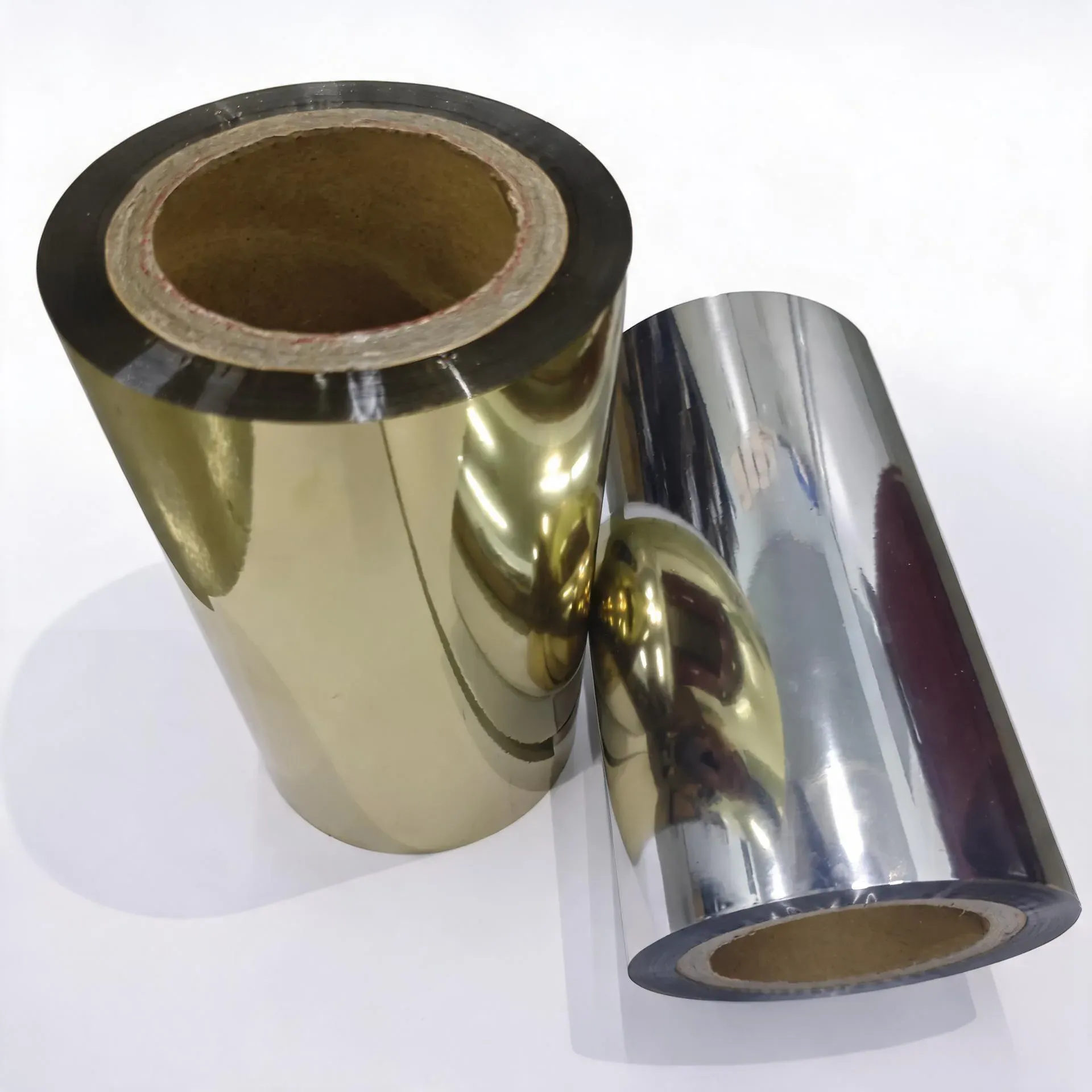
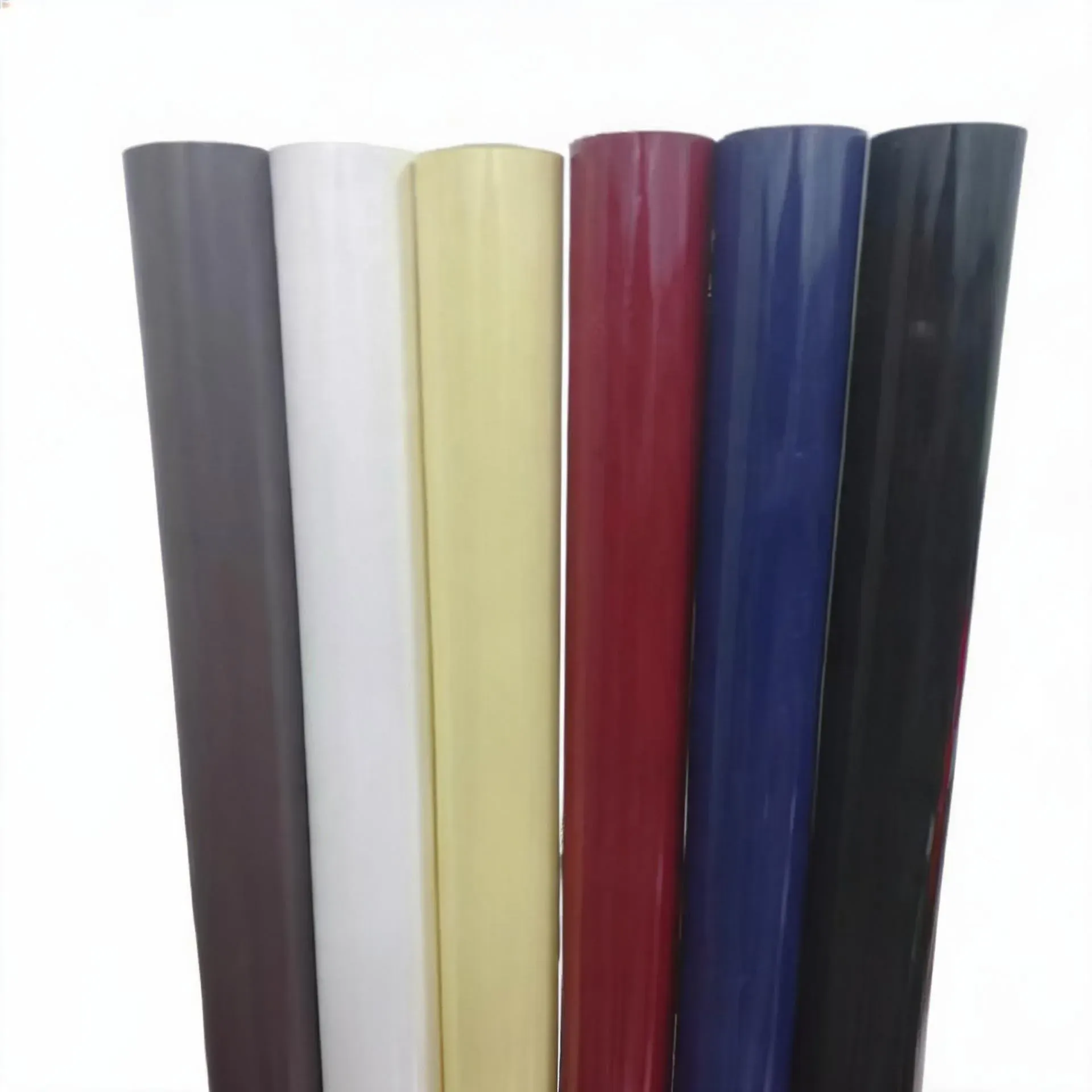
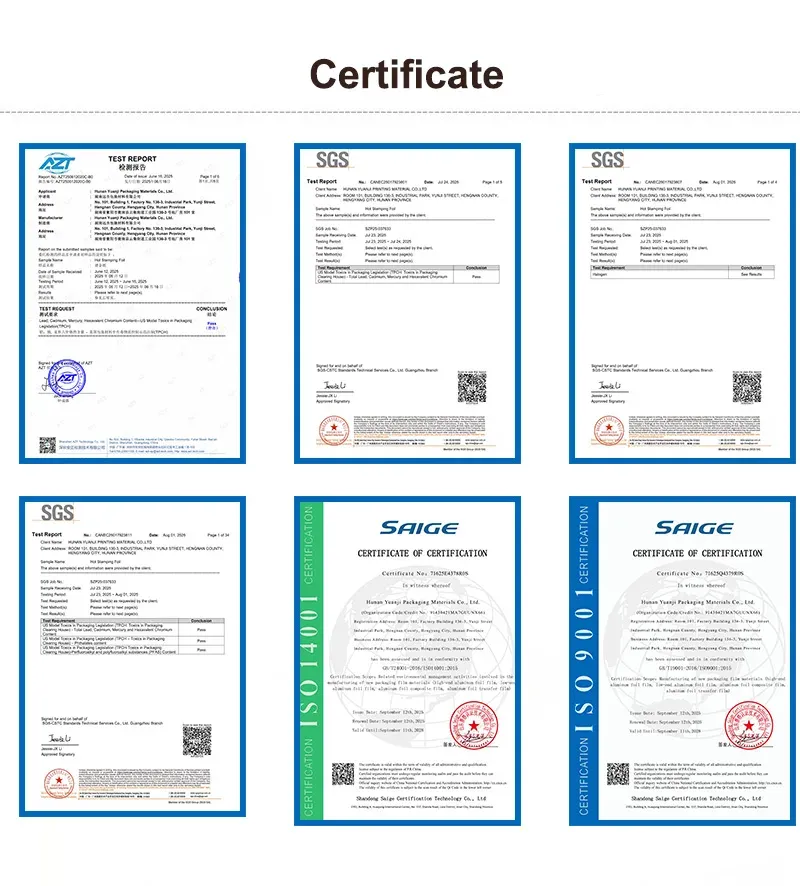
Send the part, the die and your settings, and tell us what follows the stamp. We will tell you whether we have a recorded grade for that plastic, and if we do, we will prepare a sample for your trial. Yuanji Foil is a hot stamping foil manufacturer in Hengyang, Hunan, producing standard, cold stamping, holographic, pigment, coffee-tone, low-halogen and transparent-dielectric foils, with ISO 9001 and ISO 14001 management-system certificates and import and export rights.