Product Knowledge
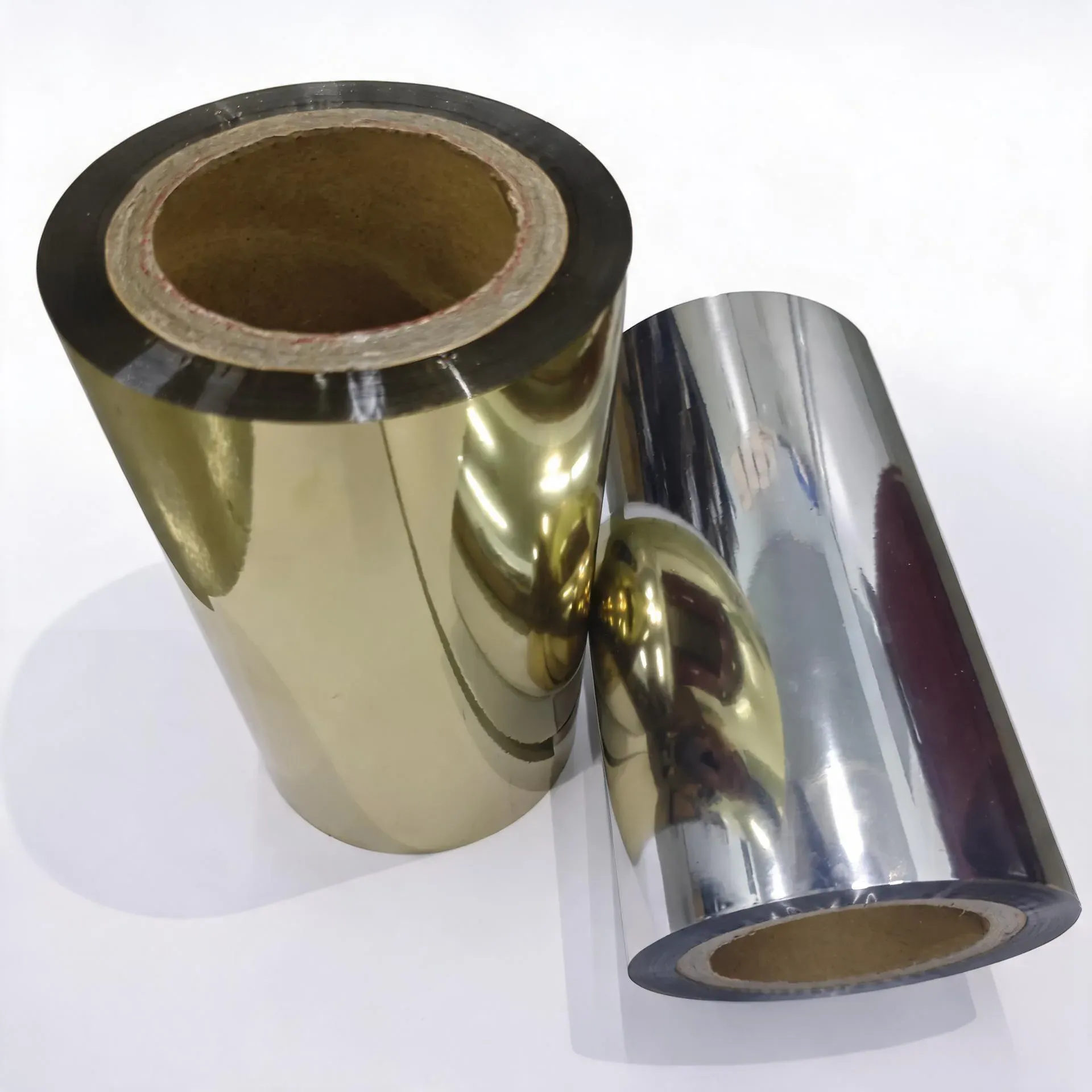
Hot Stamping Foil for Cigarette Cartons
The board under the foil and the coating over it pick the grade; panel size decides on a trial.

QUICK ANSWER
Two things pick the grade on a cigarette carton, and temperature is not one of them. What the foil sits on comes first: bare or lightly coated board starts from the paper grade, while OPP-laminated or varnished board starts from the laminated and plastics grade, which records OPP-laminated paper, varnished paper and UV-ink paper. What goes on top comes second: if the carton is printed or varnished after the stamp, the post-stamp row is the recorded starting point for the surfaces it lists - coated art paper, OPP-laminated paper, UV varnish, PVC and ABS - in small and medium areas, and a large panel goes to trial. All four carton grades share the same 90-120 C window, so temperature does not separate them, but it is still a trial variable. Panel size decides whether our table covers the job or whether you need a trial.
This article is about the stamping job. For the rules that apply to a tobacco pack by market, see our article Hot Stamping Foil Packaging Rules by Market.
01 WHAT THE FOIL ACTUALLY SITS ON
A cigarette carton is a folding carton built from coated board or white card, printed before it is cut and creased, with a tear tape. The print is commonly gravure on a long run, so on a solid printed area the foil meets the ink film or the coating over it rather than bare board.
That distinction matters because it decides which row applies. On a printed or varnished area the surface is a film; on an unprinted area it is the board. Name the exact area you are stamping, because that is the surface the grade has to match.
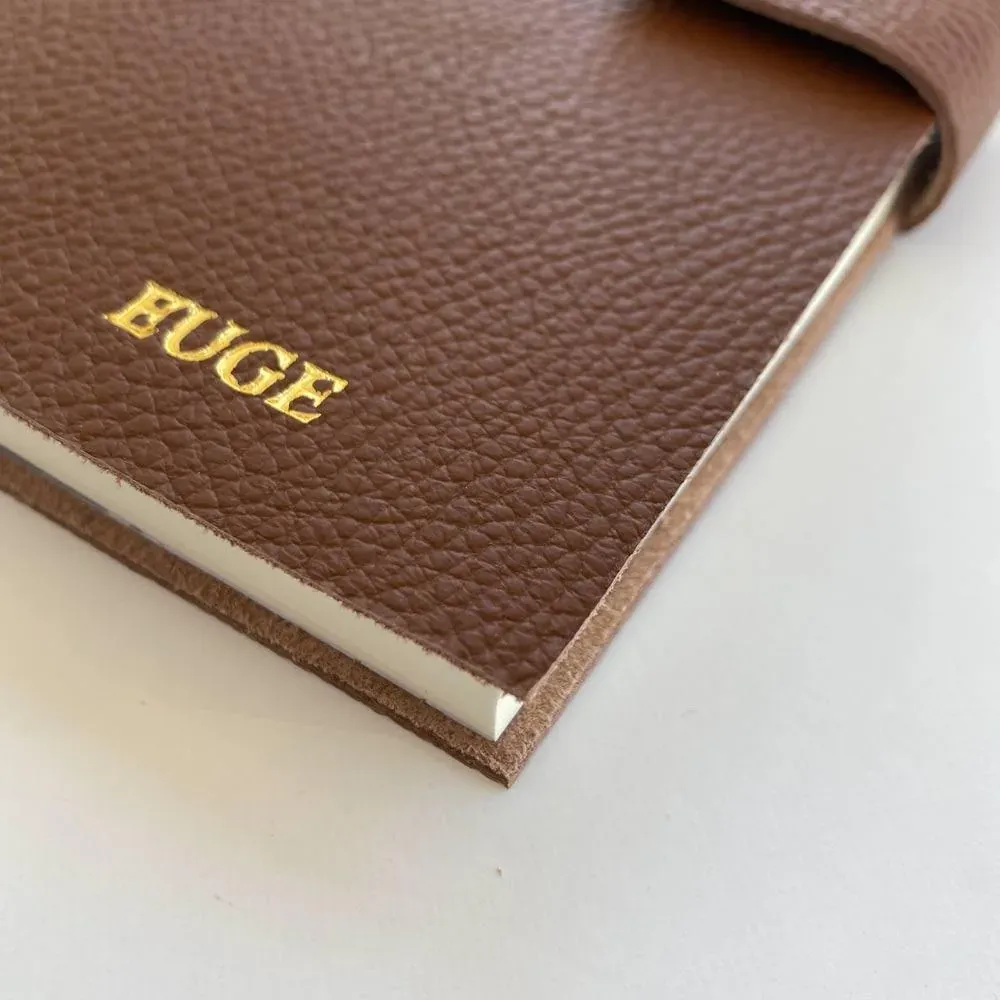
Two structural cases follow from the same board. Where the carton is bare or lightly coated board, or coated art board with nothing printed over the foil afterwards, the paper grade is the recorded starting point: cartons, labels, greeting cards and printing paper at 90-120 C. Where the carton has been OPP-laminated or the print has been varnished, the adhesive meets a film rather than a board, and the laminated and plastics grade is the one that records OPP-laminated paper, varnished paper and UV-ink paper.
02 THE SEQUENCE QUESTION, WHICH ADDS A REQUIREMENT
Ask next what happens after the foil goes down. If a gravure pass, a varnish or a UV coating follows, the stamped panel has to accept a later layer, and that is a different requirement from simply holding.
Where the carton is printed or varnished after the stamp, the post-stamp row records coated art paper, OPP-laminated paper, UV varnish, and PVC and ABS surfaces, in small and medium areas. That is the recorded starting point for those surfaces at that size. The grade detail and the test standards are set out in our articles Hot Stamping Foil Not Adhering to UV-Coated Paper? Causes and Fixes and Hot Stamping Foil Peeling Off Plastic Parts? Causes and Fixes.
Where nothing follows the stamp, the sequence adds no requirement - but the surface still decides. Bare or lightly coated board starts from the paper grade; OPP-laminated or varnished board starts from the laminated and plastics grade, because that is where those surfaces are recorded. A UV-varnish, PVC or ABS surface is recorded on the post-stamp row. The distinction matters: a grade built to accept a later layer is not automatically the best grade for a panel that will be the last thing on the carton, and the trial is where you find out which behavior you want.
03 THE PANEL QUESTION, WHICH DECIDES THE TRIAL
A small logo and a full panel are not the same job, and our table says so unevenly. One row records large areas; the others record less, or nothing.
The laminated and plastics grade records large, medium and small areas, and both flat-bed and roller stamping. That is the only row in our data that records a large-area capability, and it belongs to that grade family - not to the paper grade, and not to the holographic grade.
The post-stamp row records small and medium areas. So a carton that is printed after the stamp, with a large panel, sits between what that row records and what the job needs, and it has to be tested rather than assumed.
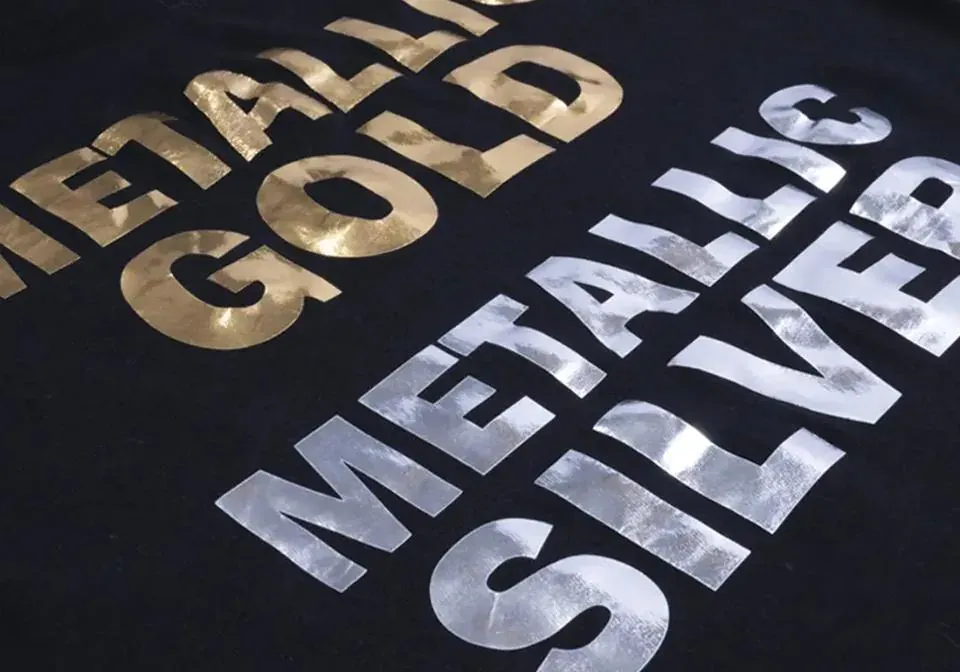
The holographic and no-plate-seam grade - 镭射型及无版缝 in our table - is the entry whose recorded applications name mid and high-grade cigarette boxes, alongside wine boxes, cosmetic boxes, rack cards, book covers, food packaging, Christmas gifts and stickers, in papers and plastics at 90-120 C. That row records no area capability and no stamping method. If the carton needs a laser effect across a large panel, the table does not cover it and the next step is a trial on your board.
04 WHAT A LARGE PANEL ACTUALLY TESTS
On a small mark the eye forgives a lot. On a solid panel it does not, because the panel is a continuous field and any variation across it is visible as variation rather than as part of the design. Three things get tested at once.
Release evenness. The whole panel has to leave the carrier at the same point. A panel that releases cleanly in the center and drags at one edge can point to die pressure, board flatness, or an uneven temperature or dwell across the panel; check which before changing settings. A small logo may not show it.
Surface consistency. Coating weight, calendering and print film thickness vary across a sheet. On a logo the foil covers the variation; on a panel the foil reproduces it. This is the reason to sample the actual carton board from the actual print run rather than a plain test sheet.
The seam. Our holographic grade is described as no plate seam, and on a continuous panel the seam is one of the things to check - a repeat that shows a line is a visible defect on a solid field in a way it is not on a small mark. Whether a seam reads on your board is a trial result, not something a grade description settles. Look for it at the panel size you will actually run.
05 HOW TO RUN THE TRIAL
A flat swatch does not reproduce the board's print film or its lamination. Run a strip inside the recorded 90-120 C window, starting from the setting your die already holds if it is in that range, at the panel size you intend to use, and record the actual die temperature, pressure and dwell. Then check four things.
Does it hold. ISO 2409:2020 for the cross-cut method, ASTM D3359-23 for the tape method. If the foil lifts and leaves a clean board, the adhesive did not bond. If ink or primer travels with the foil, the failure is in the print or the print-to-board bond; if board fibers pull away, record substrate failure. The test rates adhesion, not the cause; the four readings are set out in our article Hot Stamping Foil Peeling: Water-Based Primer.
Does it survive handling. ISO 1518-1:2023, the constant-loading scratch method. A stamped panel that marks under a fingernail is a warning sign - confirm it with the scratch method before packing and shipping.
Does the later print resist the agents it will meet. Where the carton is overprinted or varnished, the printed areas can be assessed with print-resistance methods such as ISO 2836:2021. ISO 2836 is a print-resistance test, not an adhesion test; for adhesion of the overprint, run the cross-cut and tape test after the overprint as well as before it.
Does the seam show. Lay the panel flat in the light the finished carton will be seen in, at the panel size you will run, and look along the foil direction. A seam you cannot see on a small sample can be obvious on a full panel.
These are industry methods for assessing a finished surface. They are not certificates and they do not constitute a pass grade for any foil.
06 WHAT TO SEND US
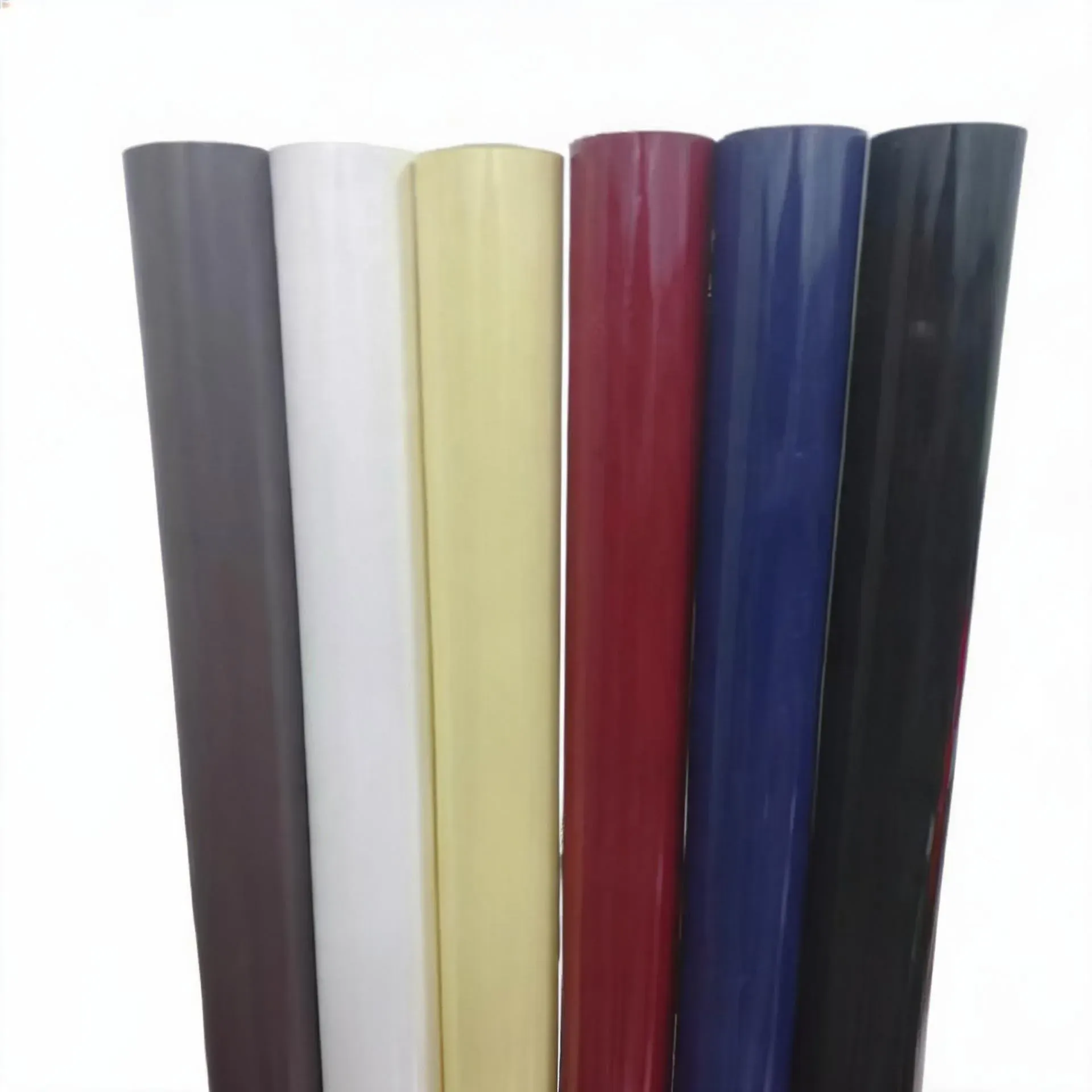
Carton board from the actual print run, with the same coating, lamination or varnish, plus the panel size and the effect you need - plain metallic, holographic, a specific shade. Then say what happens after the stamp: nothing, a gravure pass, a varnish, a UV coating.
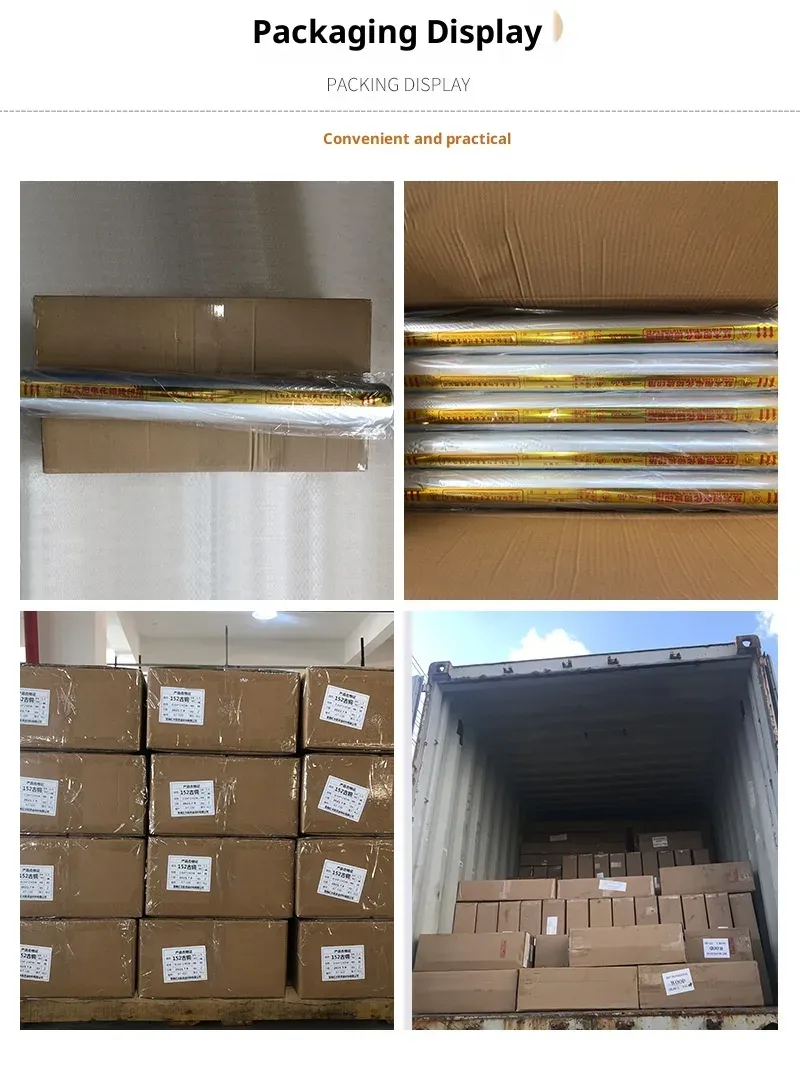
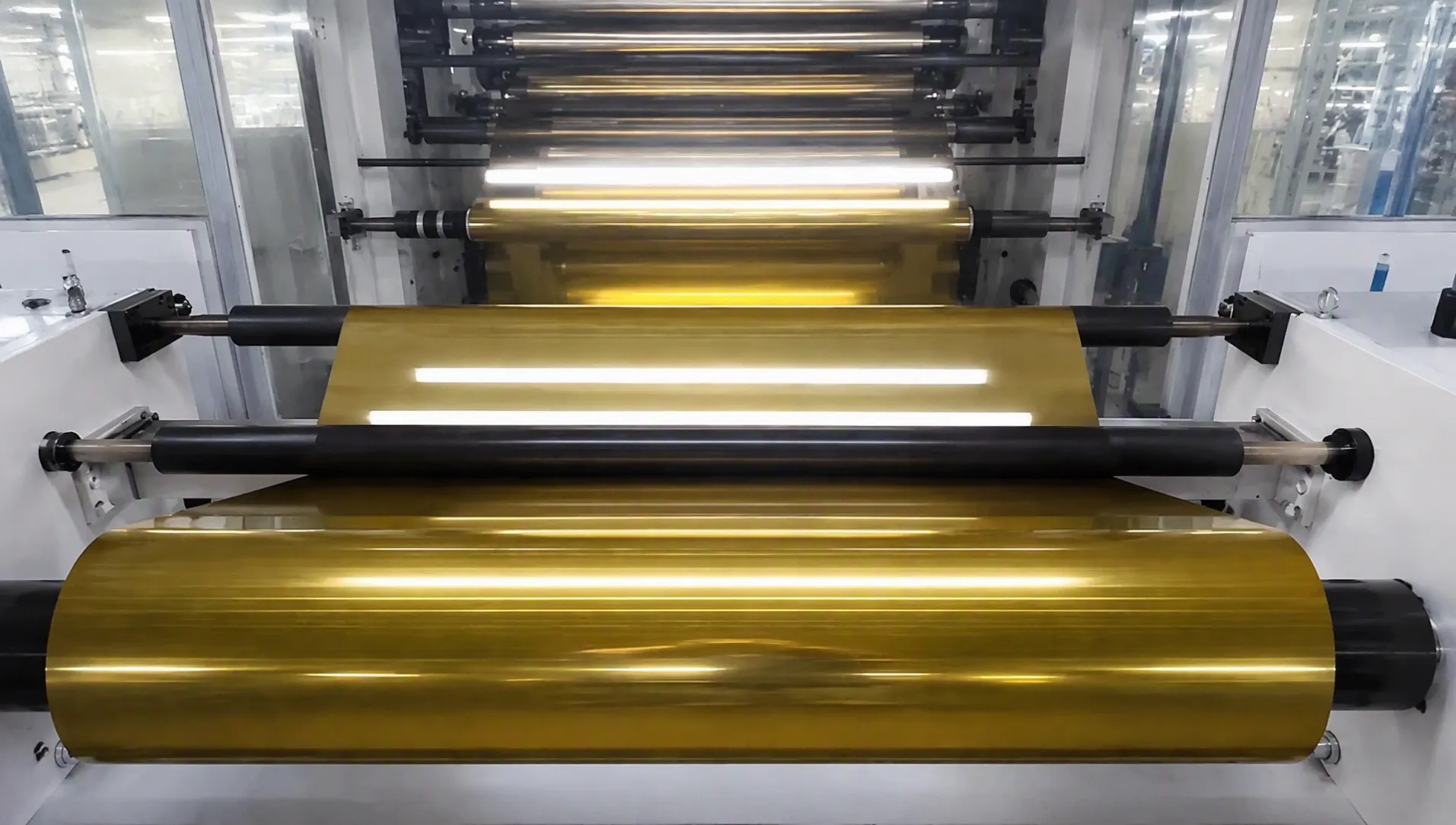
Add your die temperature, pressure and dwell, and whether you stamp flat-bed or roller. Standard rolls are 0.64 m x 120 m and 1.28 m x 240 m on a 12 micron carrier; tell us the width and length you need. Bulk use is preceded by a trial on your own stock, which is the whole point of the four checks above.
Tell us what the foil sits on, what goes on the carton after it, and how large the panel is. The first two pick the grade; the third tells us whether the trial can be a standard one or has to be built around your panel.
07 NEXT STEP
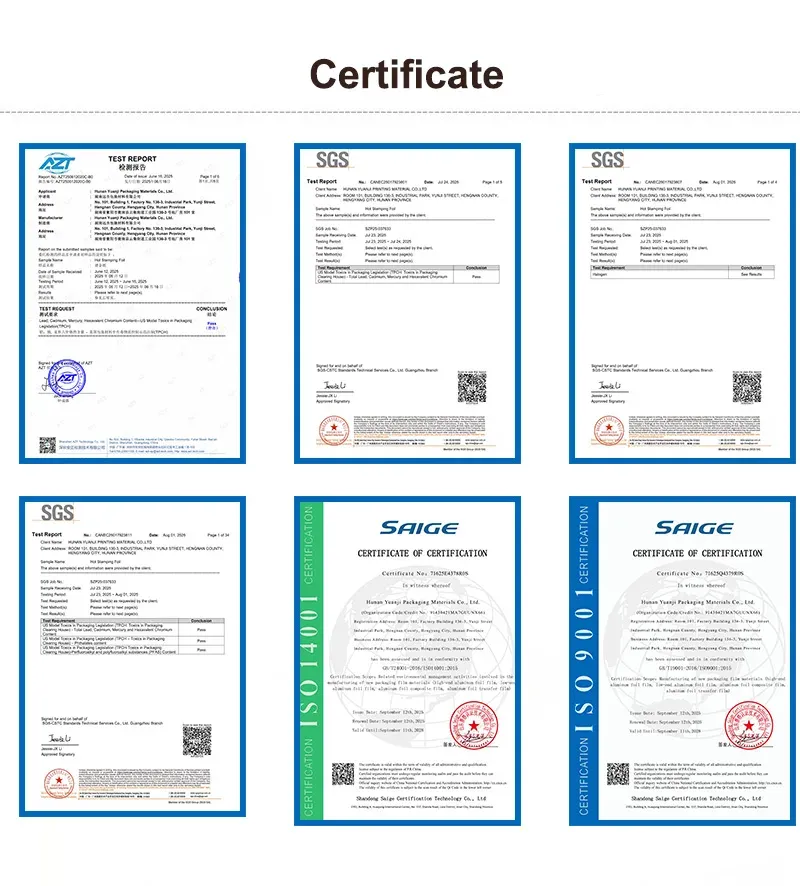
Send the carton board and the panel size, and tell us what follows the stamp. We will match it to the recorded grade and send a sample for your own trial. Yuanji Foil is a hot stamping and cold stamping foil manufacturer in Hengyang, Hunan, producing standard, coffee-tone, plastics, cold and hot stamping, double-sided, pigment, low-halogen and transparent-dielectric foils, including holographic. We hold ISO 9001 and ISO 14001 management-system certificates and import and export rights.