Product Knowledge
Hot Stamping Foil for Food Packaging
On a food carton, the foil is the outer layer; the board — or a barrier — meets the food.
QUICK ANSWER
On a printed food carton or label the foil is normally the outer decorative layer, not the layer that meets the food - the board underneath, or an internal barrier, is. That single fact decides most of the job: the four hot grades we use on cartons and film run in the same 90-120 C window, so if one carton works and another fails at the same setting, the surface is the usual difference - not temperature alone. Pressure, dwell and foil batch can also move a job. Match the grade to what the foil is actually sitting on, then prove it with a short trial before the run.
This article is about grade selection and the trial. For the legal side - which rules reach a foil on a food pack, by market - see our article Hot Stamping Foil Packaging Rules by Market.
01 WHERE THE FOIL SITS IN A FOOD PACK
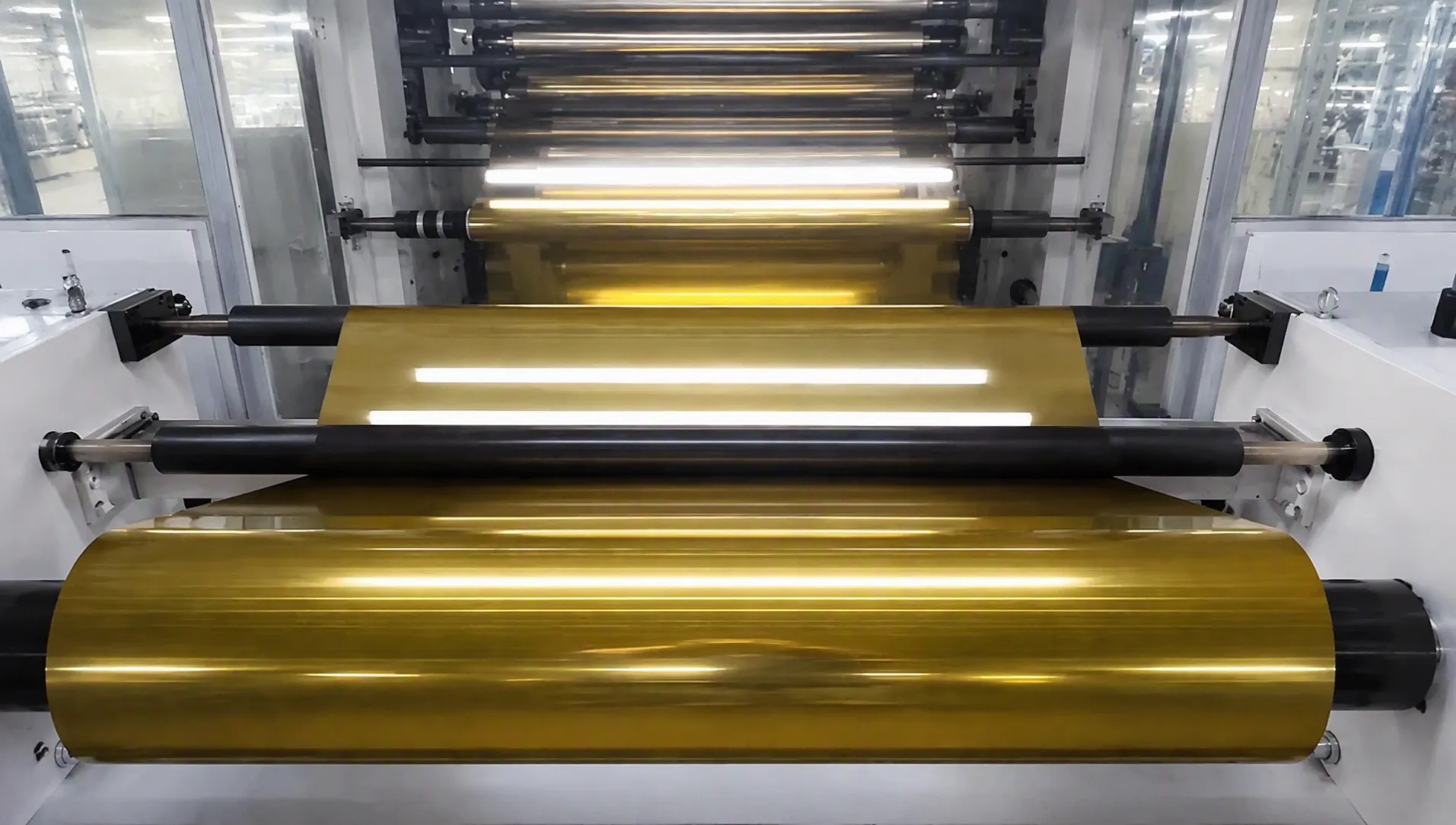
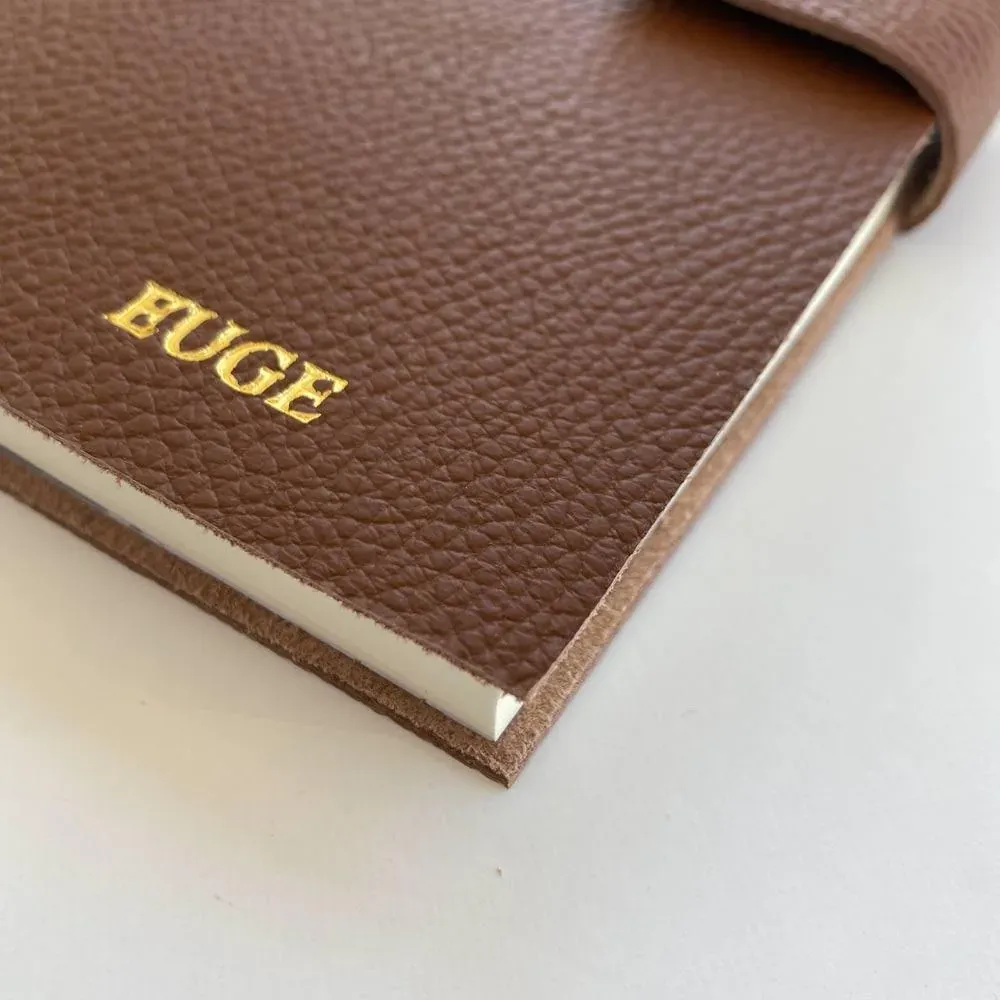
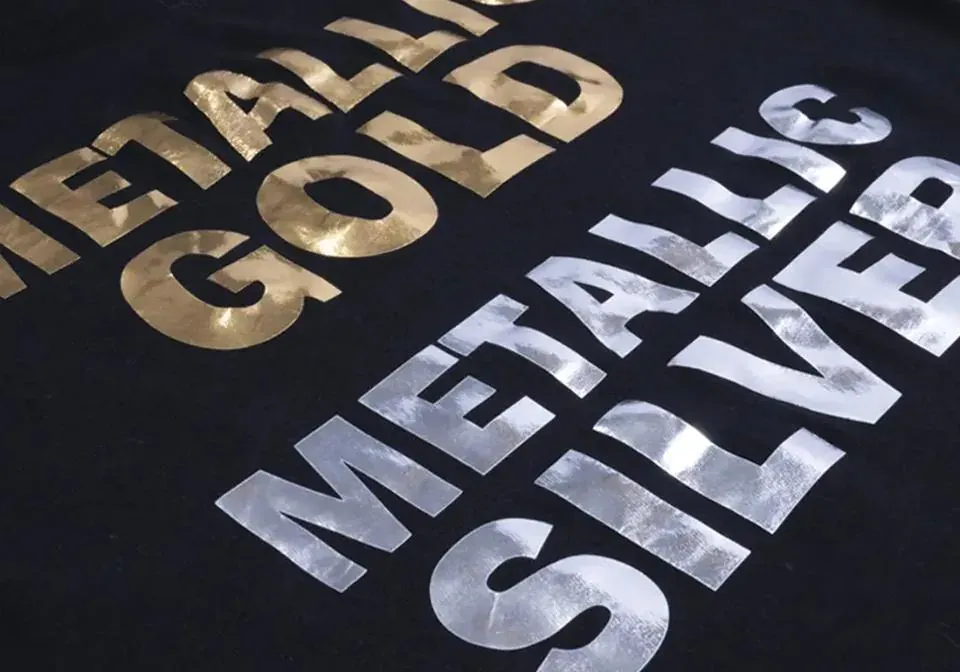
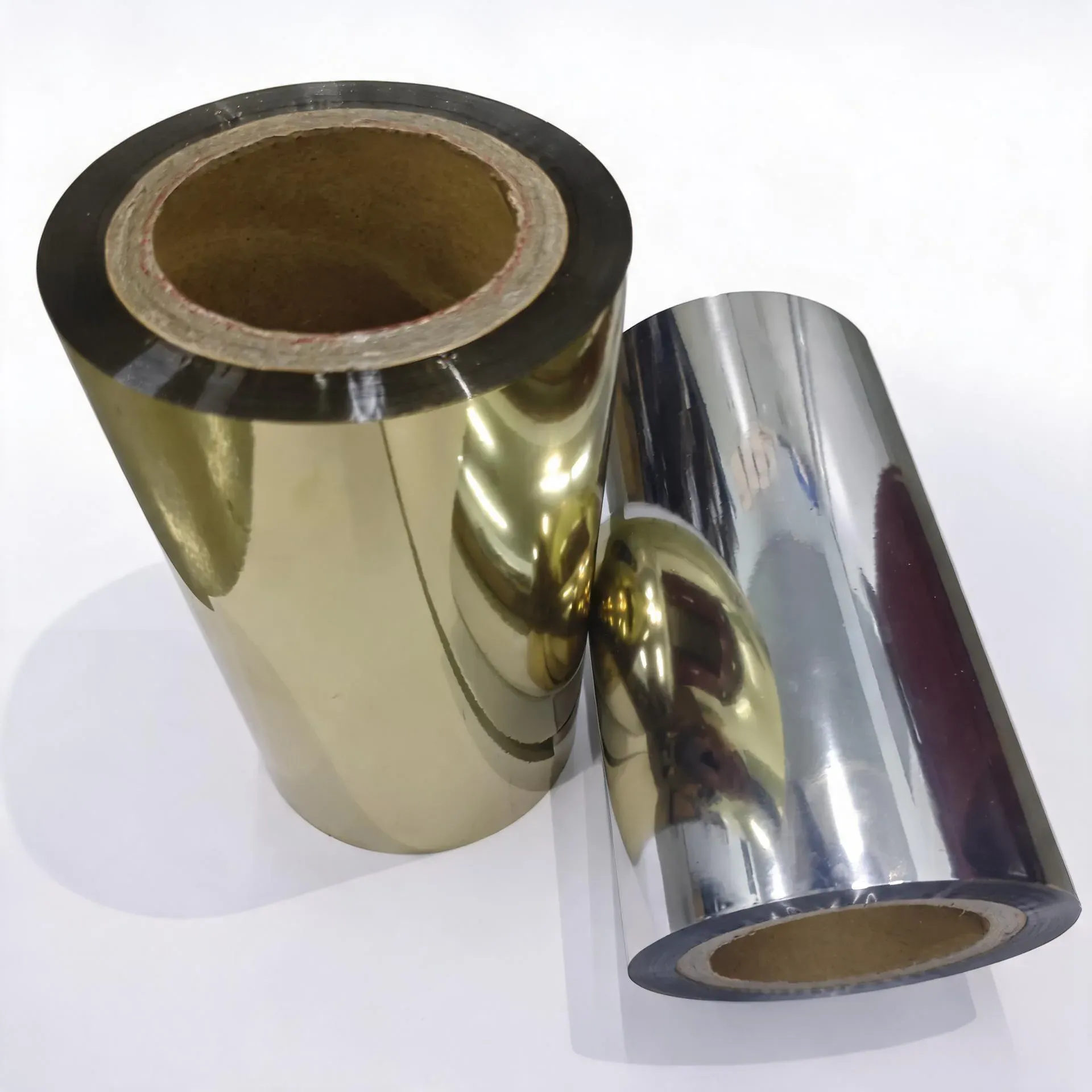
A food pack is a stack, and it is worth naming the layers before talking about foil. From the food outward: the product, a barrier or the board itself, the print, and the decoration on top. Hot stamping foil is a transfer layer - a PET carrier, a release coat, a color layer, usually a metallized layer, and a heat-activated adhesive. On a carton the carrier and the release coat leave; the color, metallized and adhesive layers stay on the board or on the print.
That means the foil is normally not the food-contact surface. It becomes one only where the pack has no barrier at all between print and product: a direct wrapper, a lidding film, a stamped inner liner. On a normal folding carton, a label or a gift box it is on the outside.
This is a description of the layering, not a compliance statement, and the distinction matters for how you brief the job. On a carton, the substrate is doing the food-side work and the foil is doing the selling; on a primary pack the foil itself is the food-contact surface, so the decorative layer and the food-contact layer are the same. The grade and the trial are different in the two cases. The next sections are about the carton case, which is this article's scope - if your pack is a direct wrapper, lidding film or stamped inner liner, tell us, because the grade and trial route is different and this article does not cover it.
02 WHY THE SURFACE DECIDES, NOT THE TEMPERATURE
Our application table records a 90-120 C reference window for the four hot grades used on cartons and film: the paper grade, the laminated and plastics grade, the post-stamp grade, and the holographic and seamless grade. Read that as a shared reference window, not as a single setting that suits every grade; each grade still has its own optimum inside the window. The practical point is that temperature alone rarely explains why a job that ran last month fails this month.
What does change between jobs is the surface the adhesive has to grip. A coated art board, a board with a printed and varnished face, an OPP-laminated sheet and a bare uncoated board are four different surfaces, and the adhesive that holds on one is not automatically the one that holds on another. Two jobs can run at the same 90-120 C and sit at opposite ends of the same grade's tolerance.
So the useful question is not "what temperature for food packaging" but "what is the foil sitting on, and does the grade match it". That reframing is what the rest of this article works through.
03 FOUR RECORDED GRADE GROUPS, AND WHICH SURFACE EACH FITS
Most food cartons and labels fall into one of four grade groups. Three are distinguished by the surface the adhesive grips; the fourth is a different process altogether.
Bare or lightly coated board, and coated art board where nothing is printed over the foil afterwards, both start from the paper grade: recorded for cartons, labels, greeting cards and printing paper at 90-120 C. This is the straightforward case. Where the board is heavily coated or very smooth the adhesive has less to bite on, so test the actual stock rather than assuming the result either way.
Coated art board, OPP-laminated board, or a varnished face, where printing or varnishing follows the stamping. For coated art board the recorded grade is the post-stamp grade: coated art paper, OPP-laminated paper, UV varnish, and PVC and ABS parts, small and medium areas, same 90-120 C window. The point of the grade is that the stamped surface has to accept ink or varnish afterwards, which is a different requirement from simply holding. The grade detail and the test standards are set out in our articles on UV-coated paper adhesion and on plastics peeling.
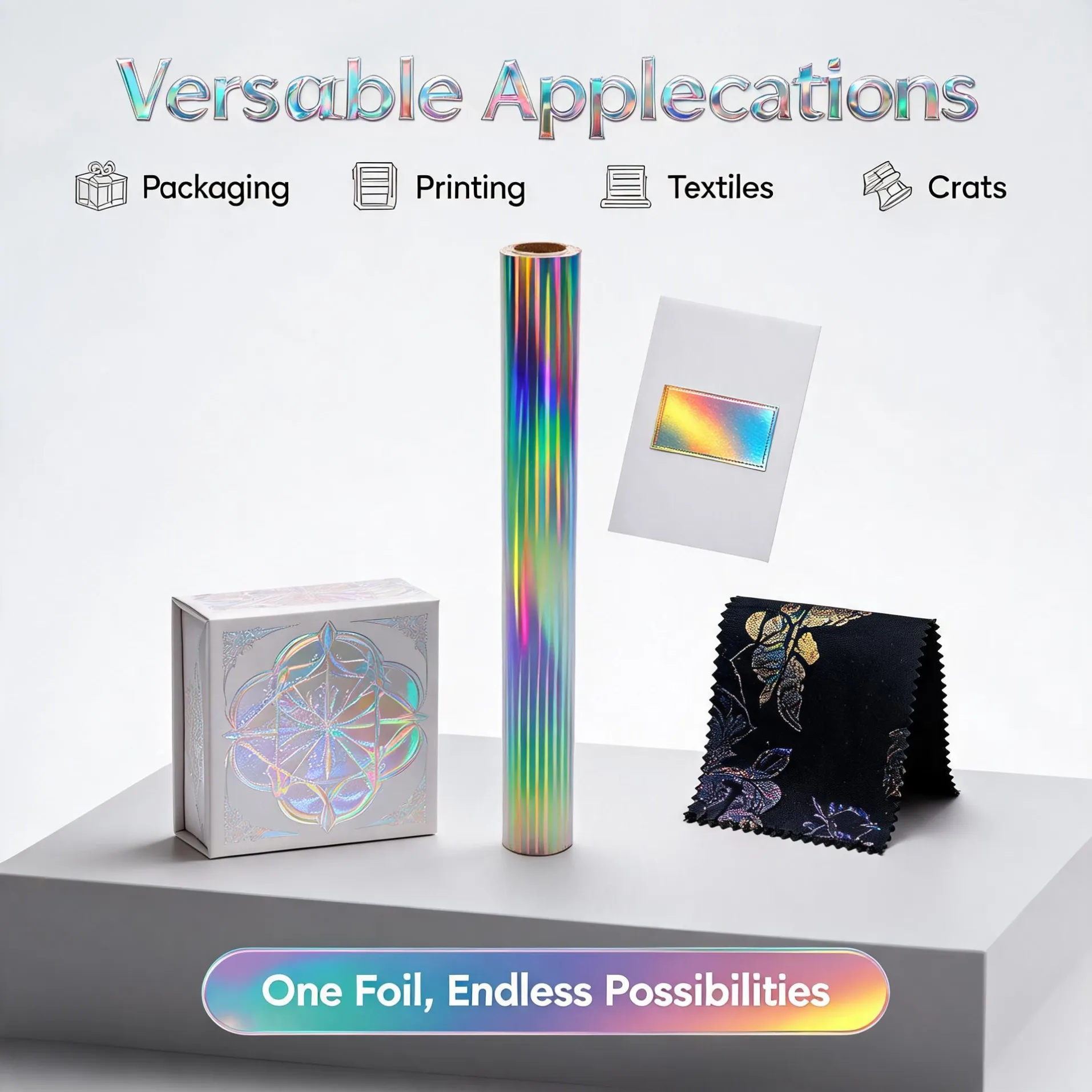
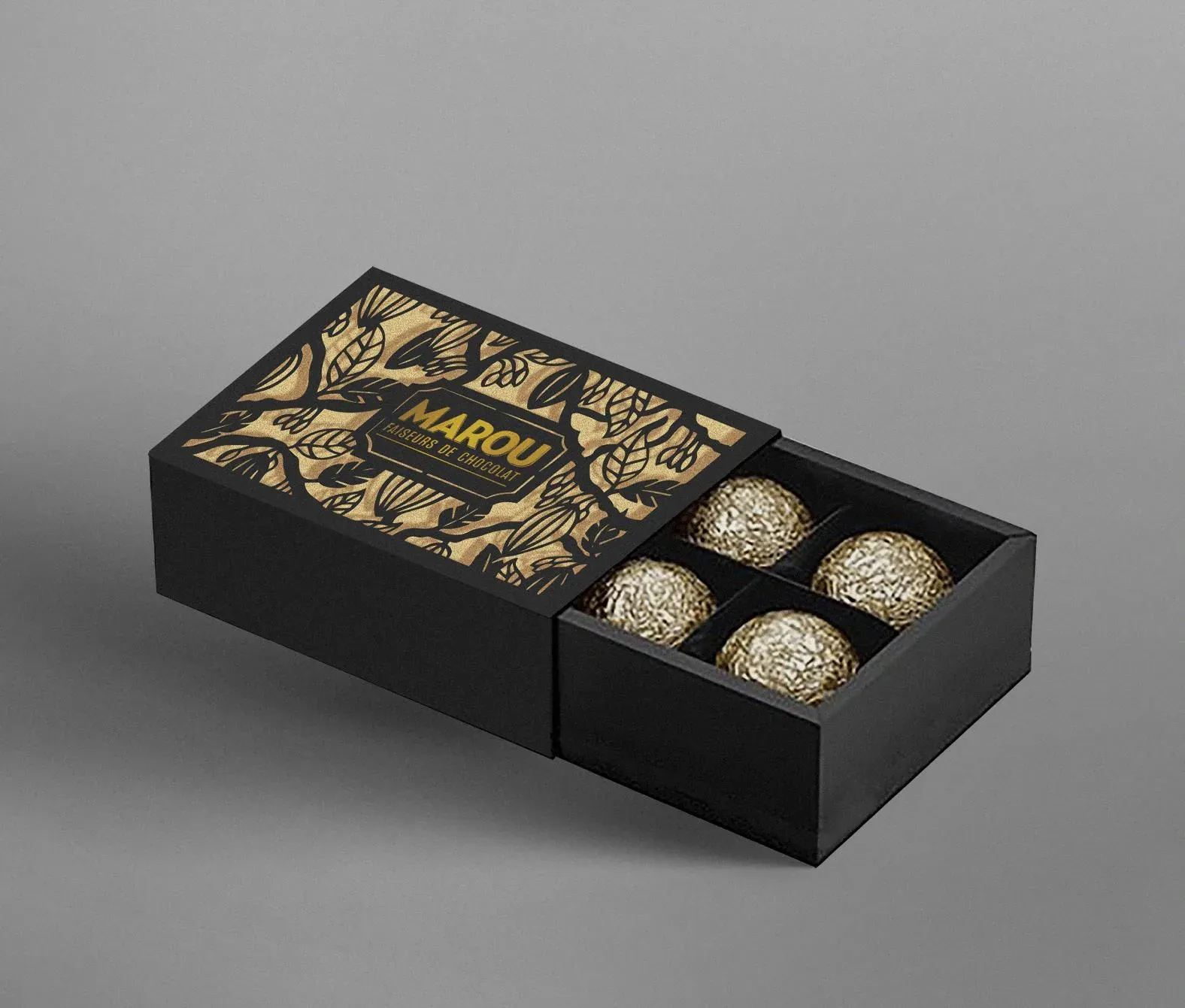
Holographic or seamless decoration. This is the only entry in our application data that names food packaging: the holographic and seamless grade is recorded for food packaging among wine boxes, cosmetic boxes, rack cards, book covers, mid and high-grade cigarette boxes, Christmas gifts and stickers, in papers and plastics, at 90-120 C. If the pack needs a laser effect rather than plain metallic, this is the recorded starting point. For a pearlescent effect, the pearlescent grade is recorded at 90-120 C for premium cards, packaging papers, packaging boxes and trademarks; it does not name food packaging, so test it.
One route falls outside the hot process altogether. Where a film cannot take a heated die, or a non-absorbent surface will not anchor a hot grade, cold foil is the recorded option. Our cold foil for PE, PP and PVC and for non-absorbent paper runs in flexographic or letterpress UV-curing at 160 W/cm2 or more and 40 m/min, in small to medium areas; the 160 W/cm2 is a power floor, the 40 m/min is a recorded running speed, not a minimum. For single-sheet offset coated art paper or white card, the paper cold foil is recorded at 35 m/min, UV-curing or non-UV, with post-stamp printing.
04 THE LAMINATED CASE: WHERE THE ADHESIVE MEETS THE FILM
Lamination deserves its own section because the adhesive meets the film, not the board, which changes the test. A board that has been OPP-laminated, or a print that has been varnished, presents a smooth, low-absorbency surface on top of a substrate that may be quite absorbent underneath.
Two consequences follow. First, the flat-bed and roller options: our laminated and plastics grade records both stamping methods for small to large areas, so on a laminated sheet you have a choice of how pressure is applied, and that choice is worth making deliberately rather than by habit. Second, the film's own tolerance is now the limit. If the lamination is thin or the varnish is soft, a die setting that would be comfortable on bare board can mark or distort the surface before the transfer ever completes.
Where printing or varnishing comes after the stamp, the post-stamp grade is the recorded answer, and the reason is mechanical: the stamped area has to accept a subsequent layer. That is a different question from adhesion straight after stamping, and a tape test straight after the foil will not answer it - the test has to run after the overprint.
05 HOW TO PROVE IT BEFORE THE RUN
A flat swatch does not reproduce the board's coating, lamination or overprint. Run a short strip on press at the recorded temperature, on the actual board with the actual lamination or varnish, and then check three things.
Does it hold. Rate adhesion the way the industry does, with a cross-cut and a tape pull: ISO 2409:2020 for the cross-cut method, ASTM D3359-23 for the tape method. If the foil lifts cleanly, the adhesive did not bond. If board fibers pull away with the foil, record it as substrate failure - the bond exceeded the board's own cohesion - and check whether the board surface is too weak for the application.
Does it survive handling. Scratch resistance is assessed with ISO 1518-1:2023, the constant-loading method. A stamped area that marks under a fingernail is a warning sign - confirm it with the scratch method before packing and shipping.
Does the print resist agents. Where the pack is overprinted or varnished after stamping, the printed areas can be assessed with print-resistance methods such as ISO 2836:2021, which covers resistance of prints to a range of agents. ISO 2836 is a print-resistance test, not an adhesion test. For adhesion of the overprint, run the cross-cut and tape test after the overprint as well as before it.
These are industry methods for assessing a finished surface. They are not certificates and they do not constitute a pass grade for any foil.
06 WHAT TO SEND US
A board sample with the same coating, lamination or varnish as production - the sample matters more than the description, because the surface is the variable. Then describe the structure: what the foil sits on, whether the pack has a barrier between print and food, whether anything is printed or varnished after stamping, and whether the pack is a carton or a primary wrapper.
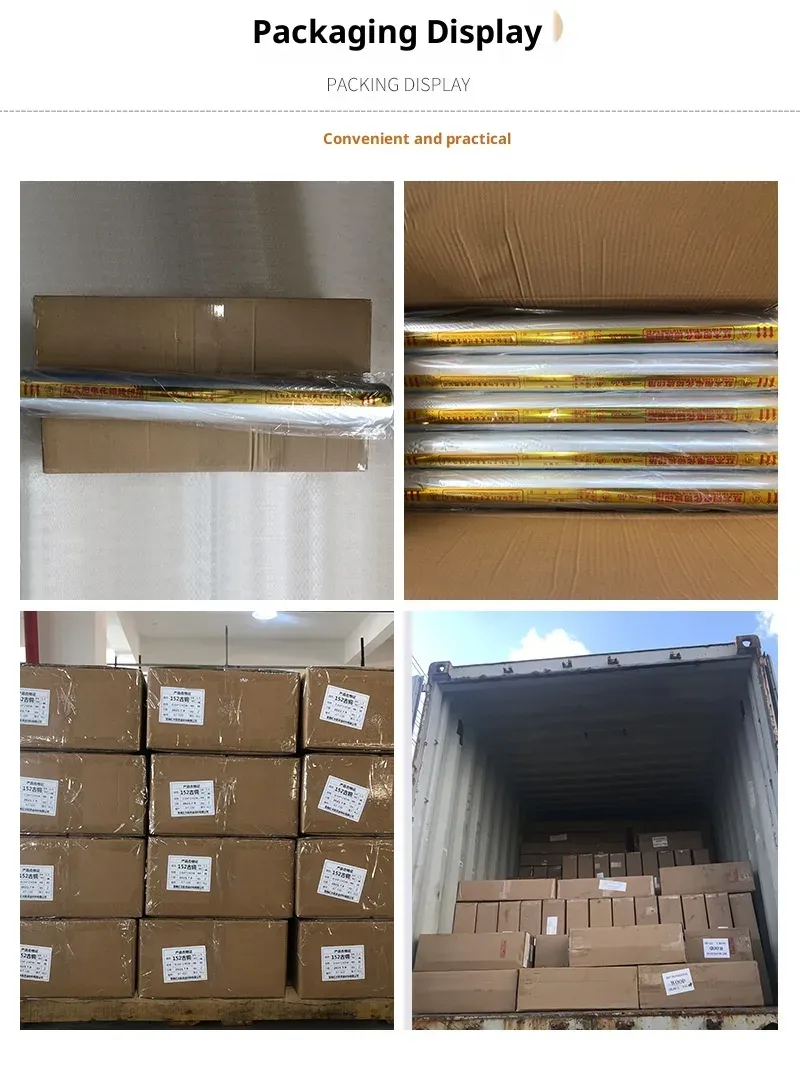
Add your die temperature, pressure and dwell, and the effect you need - plain metallic, holographic, a specific shade. Standard rolls are 0.64 m x 120 m and 1.28 m x 240 m on a 12 micron carrier; tell us the width and length you need. If the answer is a trial, we will say so rather than promising a grade will work; bulk use is preceded by a trial on your own stock for exactly this reason.
Send the board with its real coating or lamination, and say whether anything is printed over the foil afterwards. Those two answers narrow the grade; the effect and the substrate confirm it. Send the physical sample as well, because a description alone cannot settle it.
07 NEXT STEP
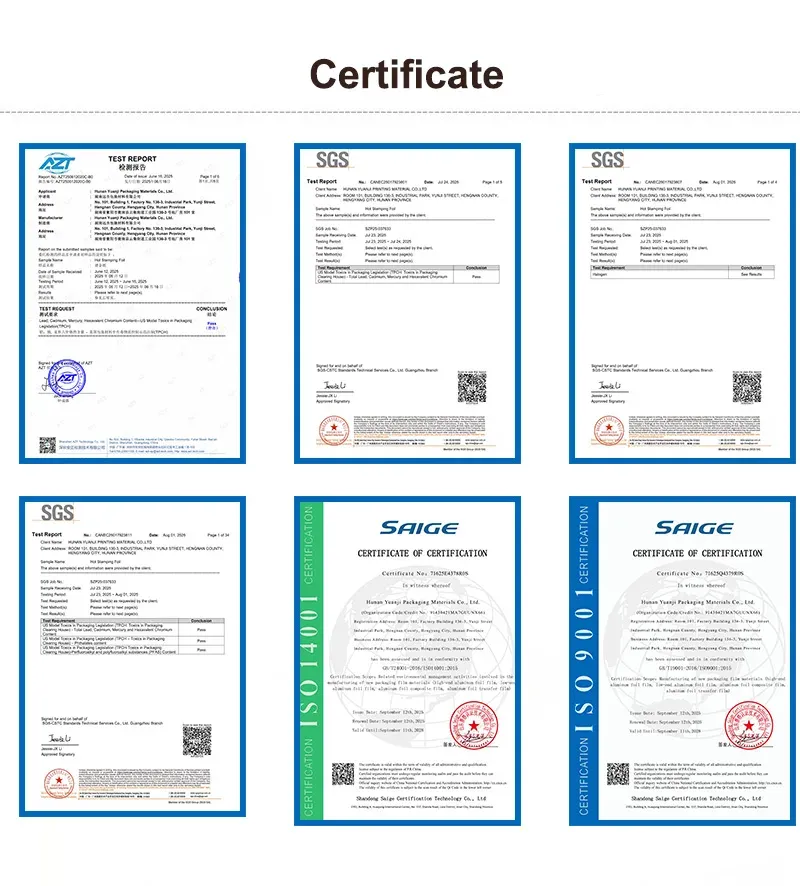
Tell us what the foil sits on, whether the pack has a barrier between print and food, and what follows the stamp. We will match it to the recorded grade and send a sample for your own trial. Yuanji Foil is a hot stamping and cold stamping foil manufacturer in Hengyang, Hunan, producing standard, cold stamping, holographic, pigment, coffee-tone, low-halogen and transparent-dielectric foils. The ISO 9001 and ISO 14001 certificates we hold are management-system certificates, not product-compliance certificates; we also hold import and export rights.