Buying Guides
Hot Stamping Foil Supplier: What to Compare
Compare five things before a repeat order: grade spec, batch consistency, rolls, trials and claims.
QUICK ANSWER
Compare hot stamping foil suppliers on five things before a repeat order: a written grade specification, evidence of batch-to-batch consistency, roll dimensions and packing, a real sample-and-trial process, and a clear rule for what happens if the grade changes. Price comes after those five - on a repeat order, a cheaper roll that fails is the most expensive roll you can buy.
01 WHY THE SECOND ORDER FAILS
The first order usually goes well: the supplier is careful, the sample was checked, everyone is watching. Problems show up on the second or third order, when the grade has quietly changed, the substrate has changed, or nobody wrote down what "the same" means.
Three common gaps cause this. The specification was never written down, so "the same foil as last time" means something different on each side. No sample was retained, so there is nothing to compare against. And the acceptance test was never fixed, so a batch can be argued about instead of measured.
A supplier worth keeping answers all three without being pushed.
02 THE FIVE THINGS TO COMPARE
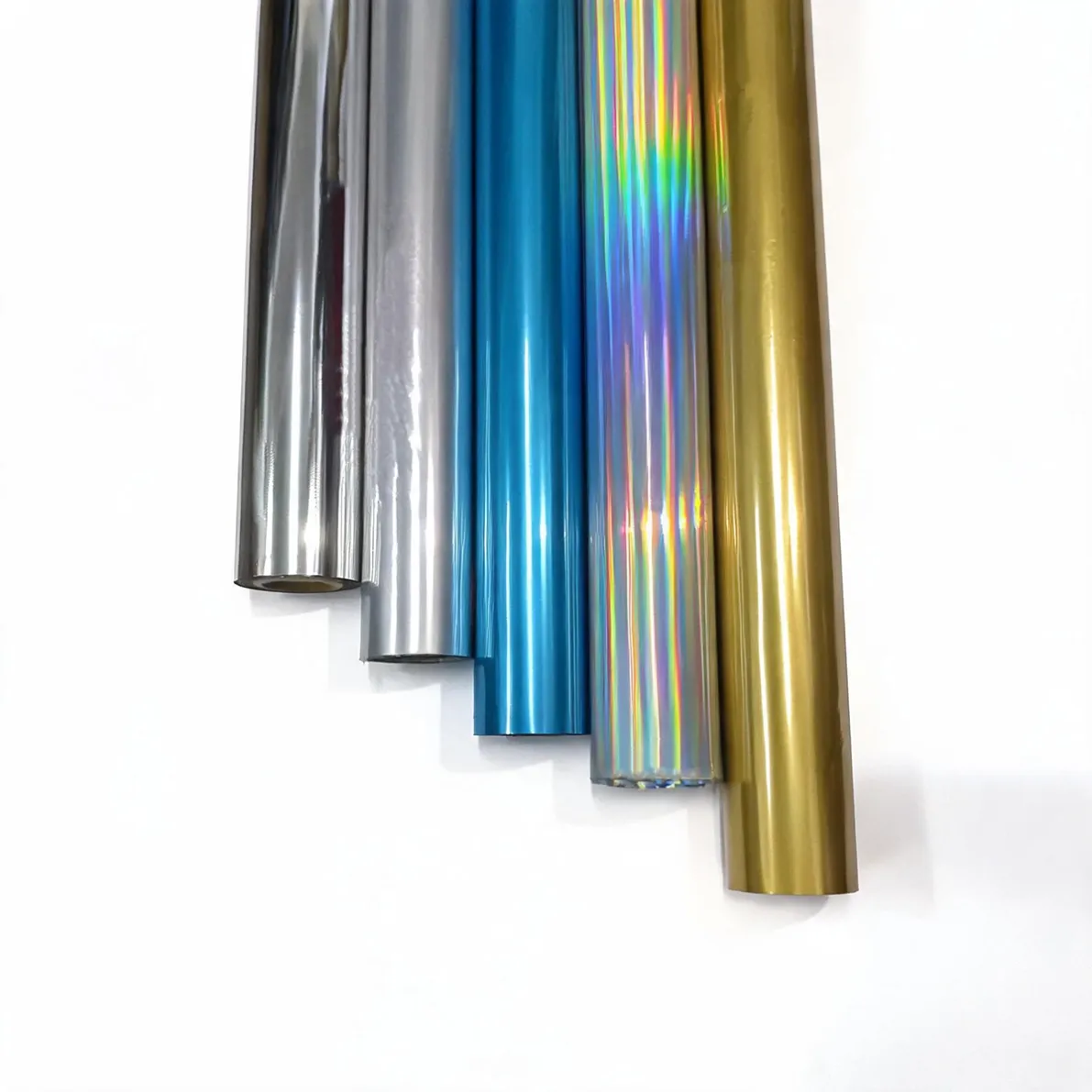
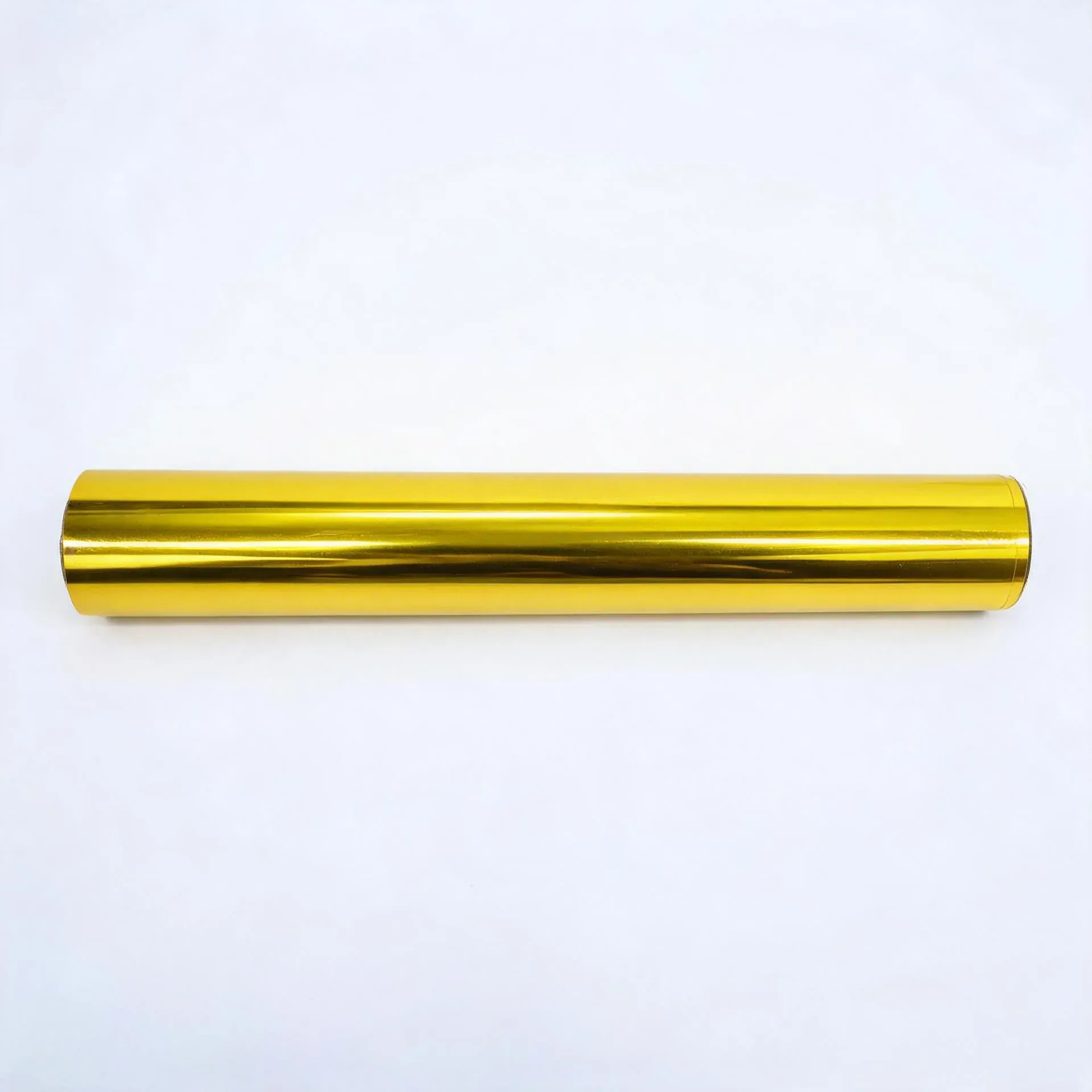
One: a written grade specification. Ask for the grade code, the substrates it is rated for, the temperature window, the carrier film and thickness, and the roll size. Our grades for paper, plastics and leather, for example, are rated 90-120 C and supplied on 12 micron PET film, in rolls of 0.64 m x 120 m or 1.28 m x 240 m.
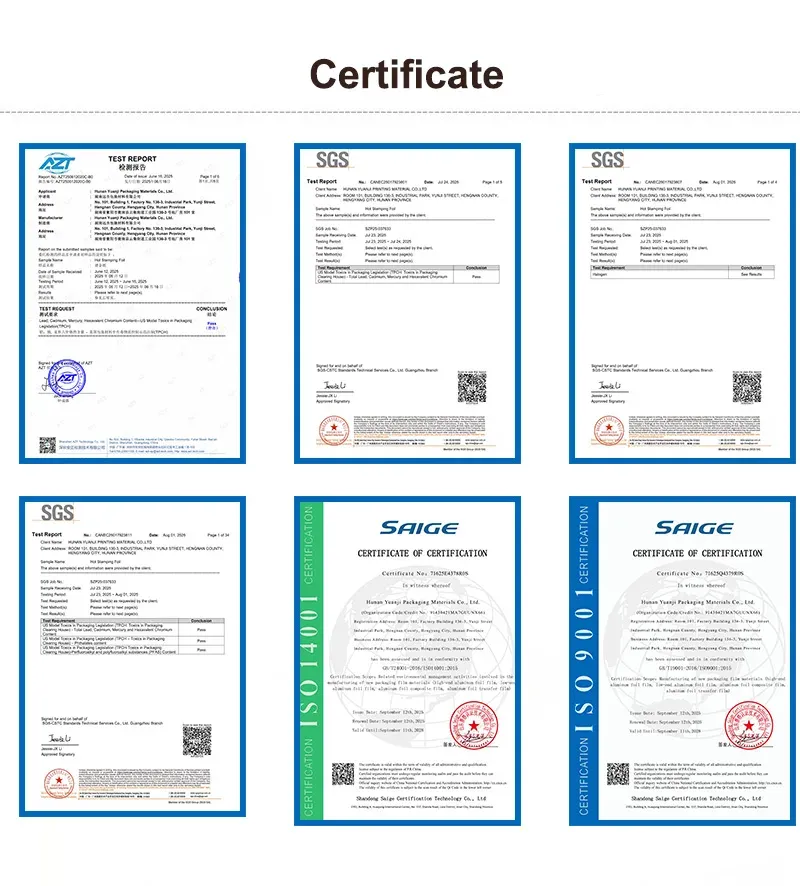
Two: batch consistency evidence. Ask what is checked on each batch, whether records are kept, and whether third-party reports exist. We hold ISO 9001:2015 and ISO 14001:2015 management-system certificates (numbers 72425Q0478R0S and 72425E0417R0S, issued 17 September 2025, valid to 16 September 2028) and keep third-party RoHS and heavy-metal test reports on file.
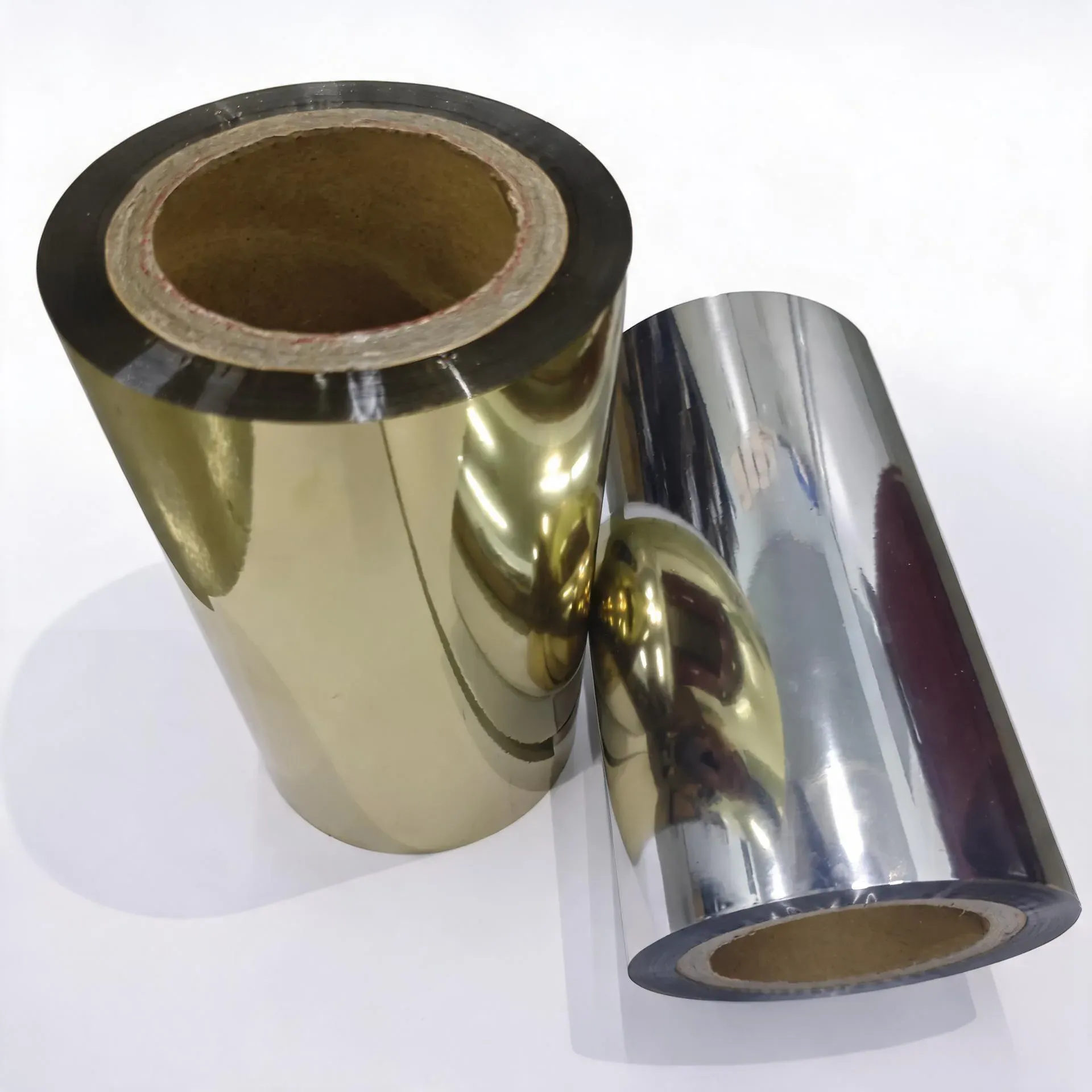
Three: roll dimensions and packing. Width is money: a roll wider than your layout means paying for foil you cut away. Ask for the exact width options, the roll diameter and weight, and how many rolls go in a carton - ours are packed 10 rolls per carton at 120 m and 8 per carton at 240 m.
Four: the sample and trial process. A supplier who will not send a sample matched to your substrate is asking you to take the risk. Ask whether they expect a trial before bulk use - our application data states that requirement.
Five: the change-notification rule. If a grade, a carrier film or a plant changes, who tells you, and how far ahead? This one clause closes a gap that many second-order failures trace back to, and few buyers ask for it.
03 PUT IT IN WRITING
Before the first bulk order, get four things on one page: the specification sheet, the accepted sample reference, the test method used to accept a batch, and the change-notification rule. Keep a retained sample from every delivery, stored cool and dry, so a complaint becomes a comparison rather than an argument.
Naming the test method matters more than it sounds. For adhesion on printed or plastic surfaces, the industry methods are ISO 2409:2020 (cross-cut) and ASTM D3359-23 (tape test); for scratch resistance, ISO 1518-1:2023. For leather, flex is rated with ISO 5402-1:2022; rub resistance with ISO 11640:2018; and abrasion resistance with SATRA TM31:2021 (Martindale). These are industry test methods, not product certifications - but agreeing on one of them, and on the acceptance level, tells you what "passed" means.
04 THE TRIAL THAT PREDICTS PRODUCTION
A trial only predicts production if it uses the same substrate, the same machine, the same die and the same running speed as the real job. Run it at both ends of the temperature window, not just the middle, and write down what you saw at each setting.
Then repeat the same test on the first bulk delivery and compare it with the trial record. That single habit - same method, same substrate, recorded result - is what turns a supplier relationship from trust into evidence.
05 IF YOU BUY FOR RESALE
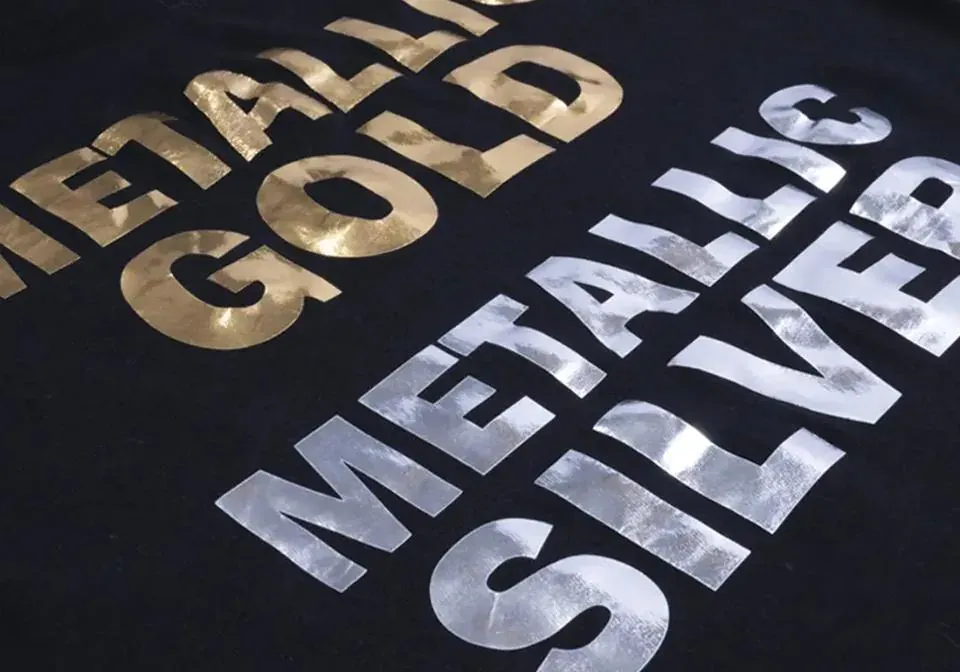
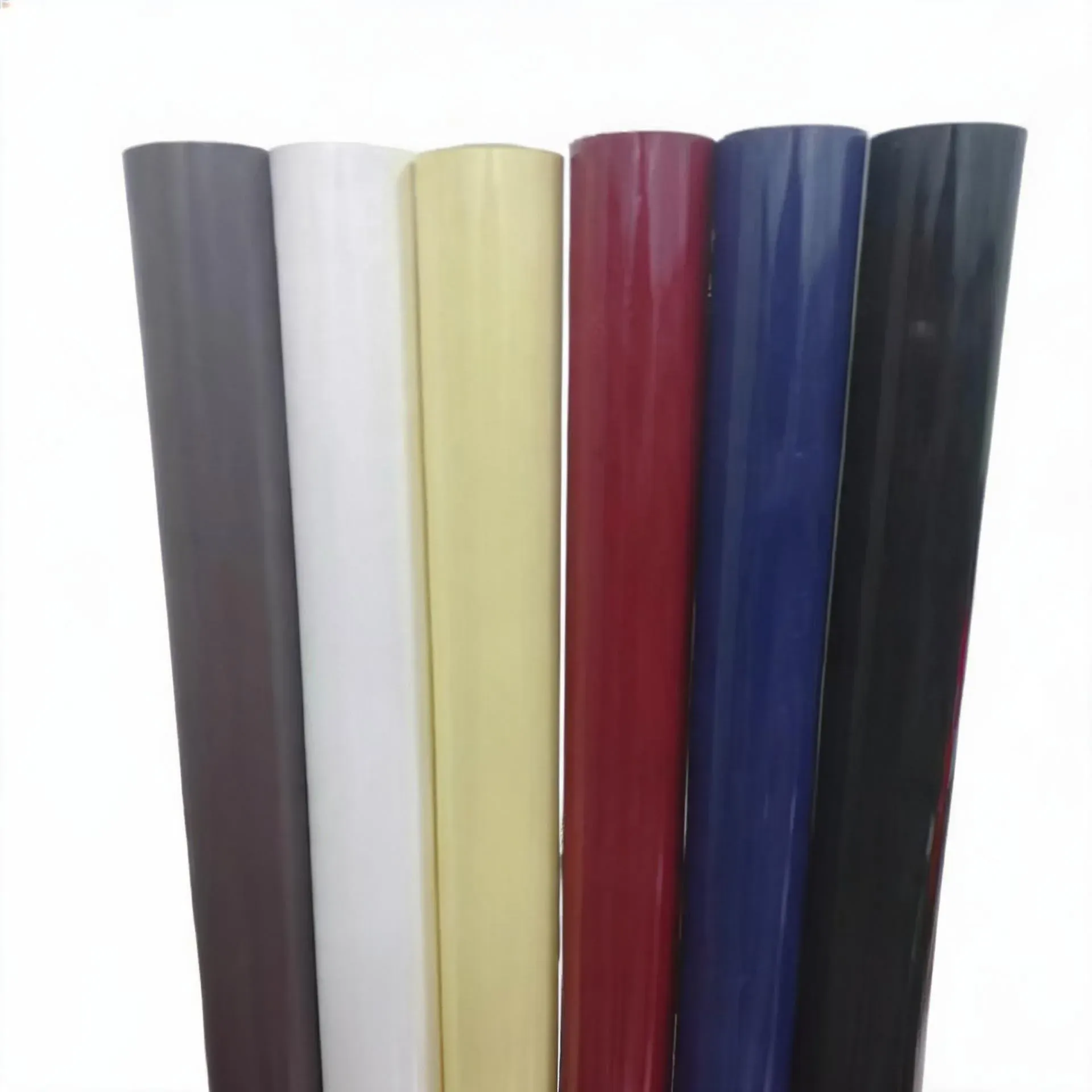
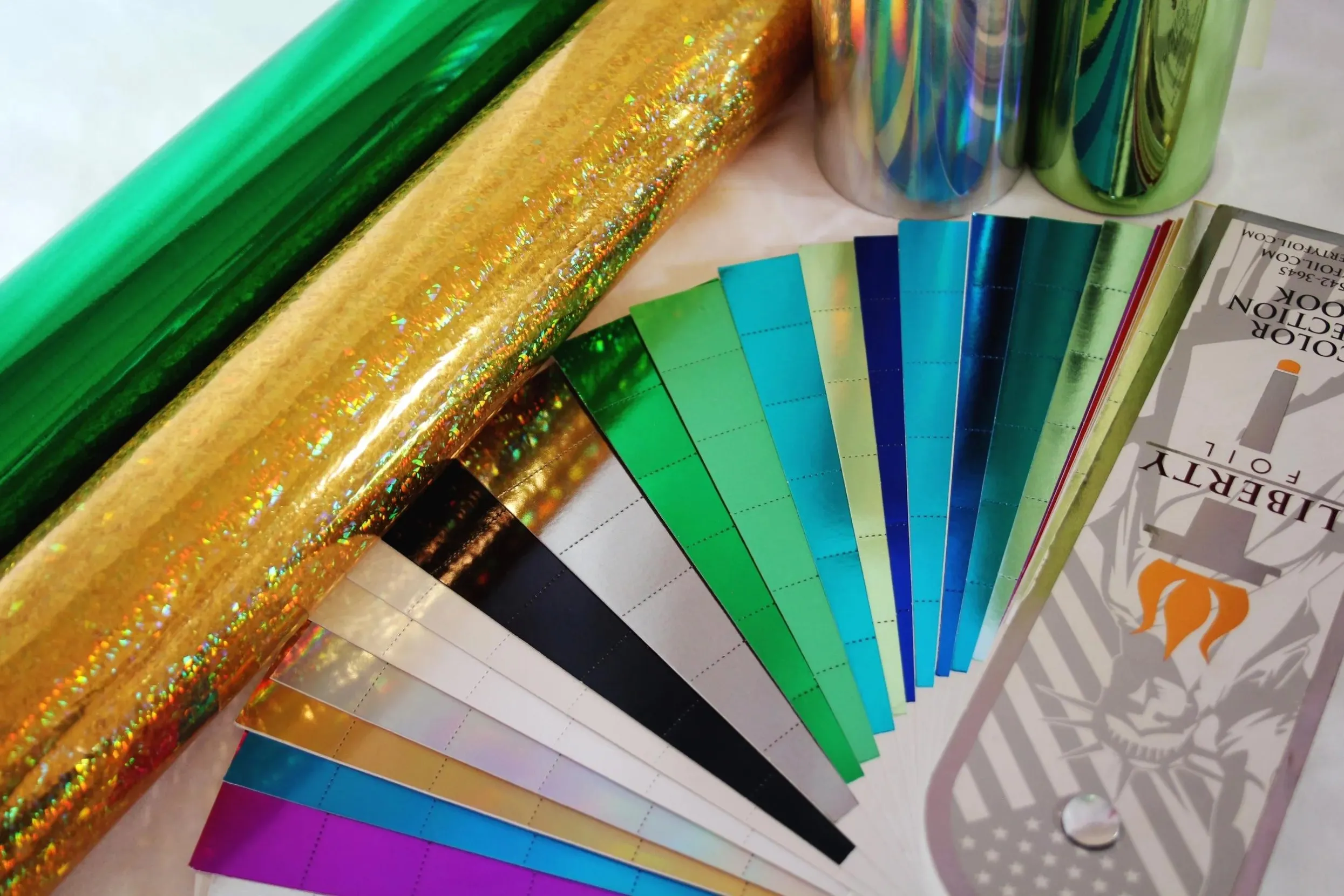
Distributors and importers should add three questions. Can one factory cover the full range of products - standard, cold stamping, holographic, pigment, coffee-tone, plus leather and textile foils - and the colors to match, and does it already supply distributors or importers? Can they customize specifications and colors for volume orders? And can they supply under your own brand and packing, under private label or OEM arrangements?
Fewer suppliers means fewer specifications, fewer approvals and fewer surprises. It also means the conversation about a new grade starts from an existing relationship and a shared test history - with a trial still required for the new grade.
06 NEXT STEP
Ask us for the specification sheet and a sample matched to your substrate - we manufacture and export from our own plant. Yuanji Foil is a hot stamping foil manufacturer in Hengyang, Hunan. Our 20,000 m2 plant runs a 1650 mm vacuum coating machine, more than 10 coating machines and 4 holographic embossers, with an annual capacity of about 1.5 million rolls. We hold ISO 9001 and ISO 14001 certificates and import and export rights.