Product Knowledge
How to Reduce Hot Stamping Foil Waste
Six levers that cut foil waste: roll width, layout, advance step, temperature and roll length.
QUICK ANSWER
Three common sources of foil waste in a stamping department are a roll wider than the layout needs, a gap between impressions larger than the die requires, and a temperature setting that can cause rework. Fix the width first - it is often the largest lever - then the advance step, then the settings. Size the job by arithmetic before you quote, not after the rolls arrive.
01 WHERE THE FOIL ACTUALLY GOES
Foil comes off the roll as a continuous strip. The length you use is set by the step per impression, and the width you pay for is set by the roll you load.
So two numbers decide most of your consumption: how wide the roll is, and how far it advances each cycle. Temperature, pressure, dwell and operator habit change how many usable impressions you get from a roll, but the width and the step set the baseline.
Write both numbers down for your three or four most common jobs. If they are not written down, two estimators can quote the same job at very different foil costs.
02 WIDTH: THE FIRST LEVER TO CHECK
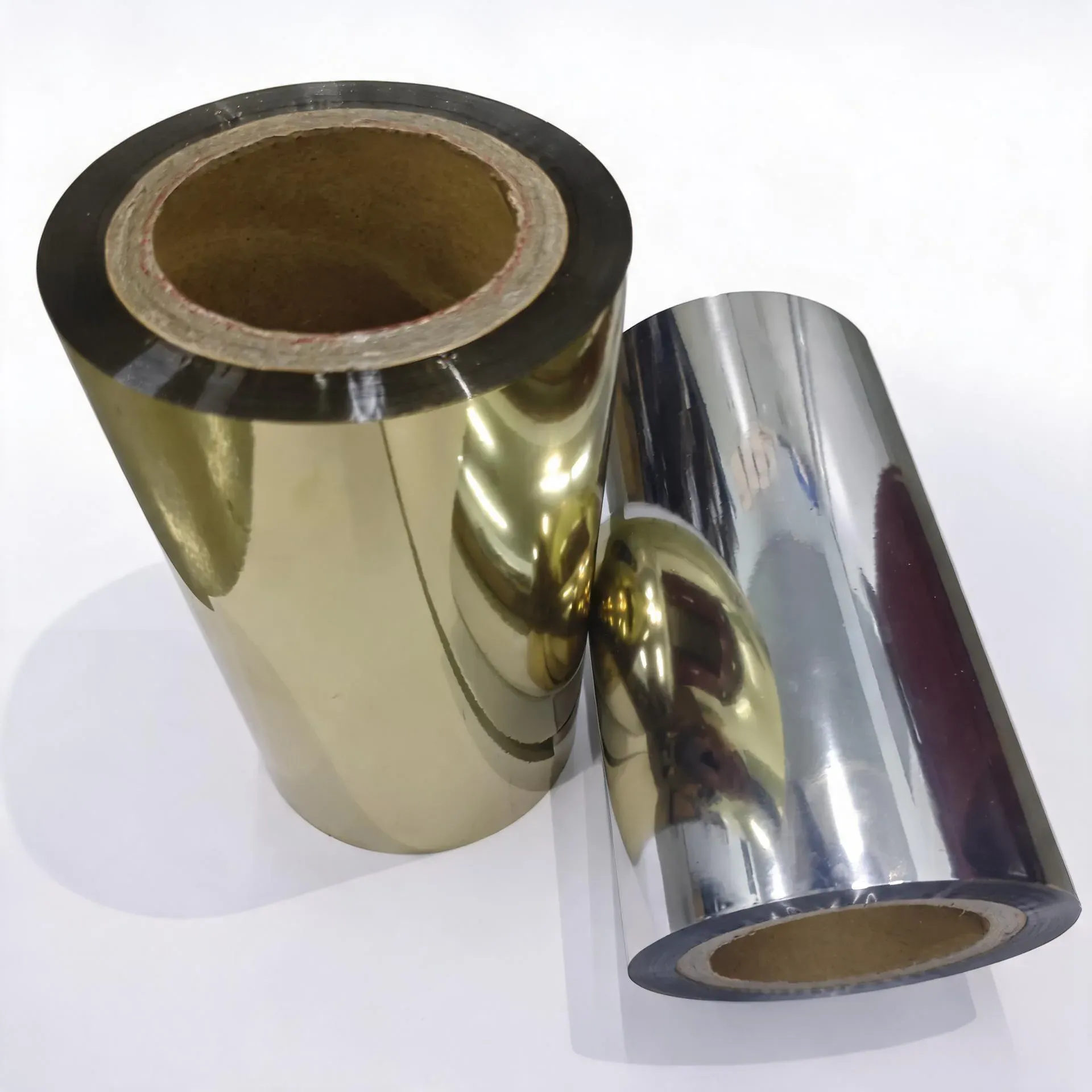
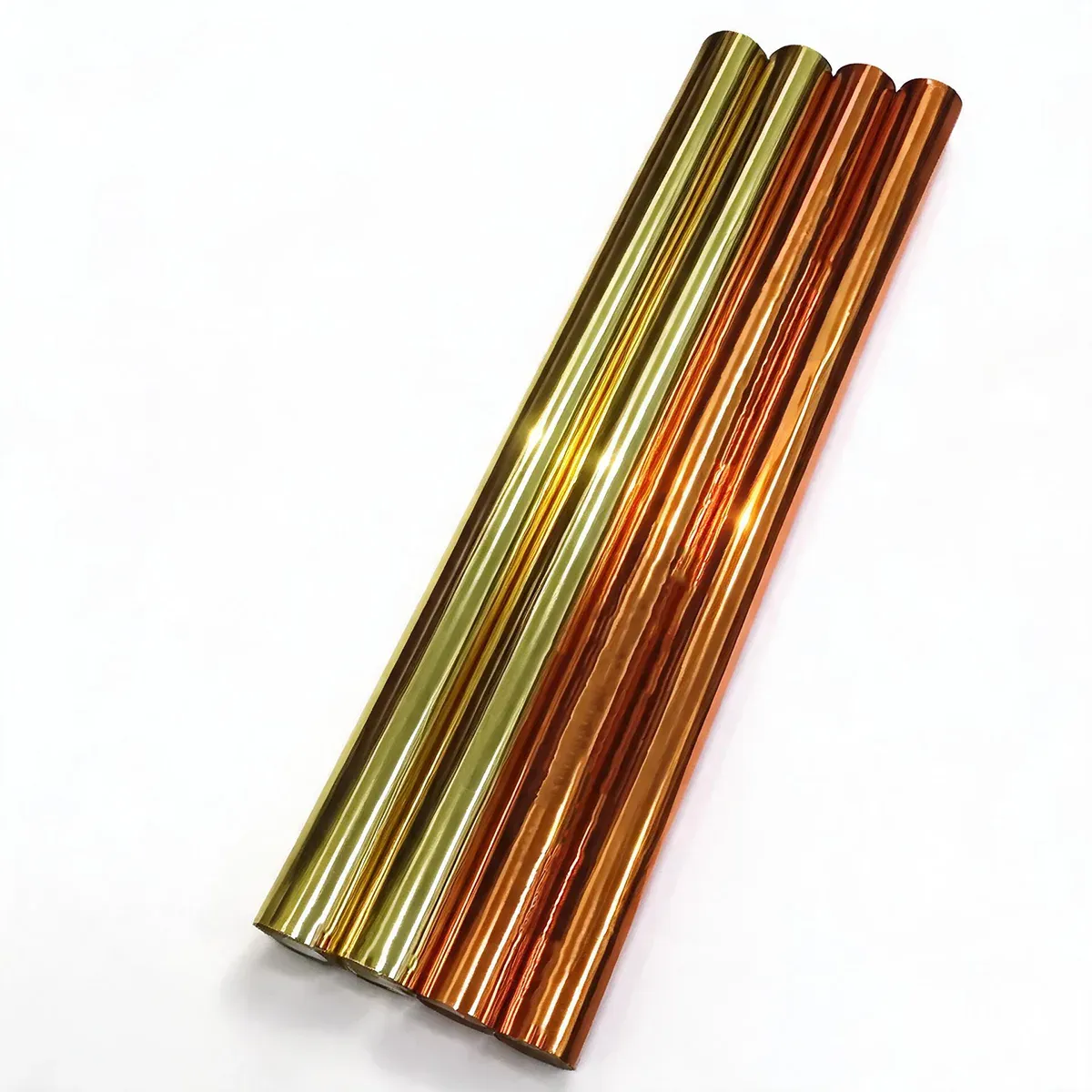
A roll wider than the artwork means you pay for foil that is cut away or never touches the sheet. Our standard rolls are 0.64 m x 120 m and 1.28 m x 240 m, both on 12 micron PET carrier film, so a job whose artwork sits inside 300 mm does not need the full 640 mm web unless the layout is stepped across it.
The first fix is a layout question. Stepping and repeating the image across the web is what makes the width earn its keep: one advance then serves several images at once. Where the die and the gripper allow it, that is often the lowest-cost change, because the foil order itself does not change - though a new die or plate may be needed.
If the layout cannot use the width, the fallback is a purchasing question: order the narrowest roll that covers it - a width we can supply for larger volumes.
03 THE ADVANCE STEP
The gap between impressions exists mainly so that each stroke lands on fresh foil, not on an area the die has already stamped. Set it too large and you waste usable foil on every cycle; set it too small and the die may drag against spent foil, which can show up as patchy transfer or a torn web.
Two practical checks: run a short strip and measure the step the machine is actually taking against the step you intended, and compare the foil left between impressions with the die footprint. If the gap is much wider than the die needs, that is foil leaving the building on every stroke.
Where the machine offers a step setting, verify it on your own material rather than treating the manual value as correct - the right value depends on the die, the foil and the substrate together.
04 TEMPERATURE SETS THE REWORK RATE
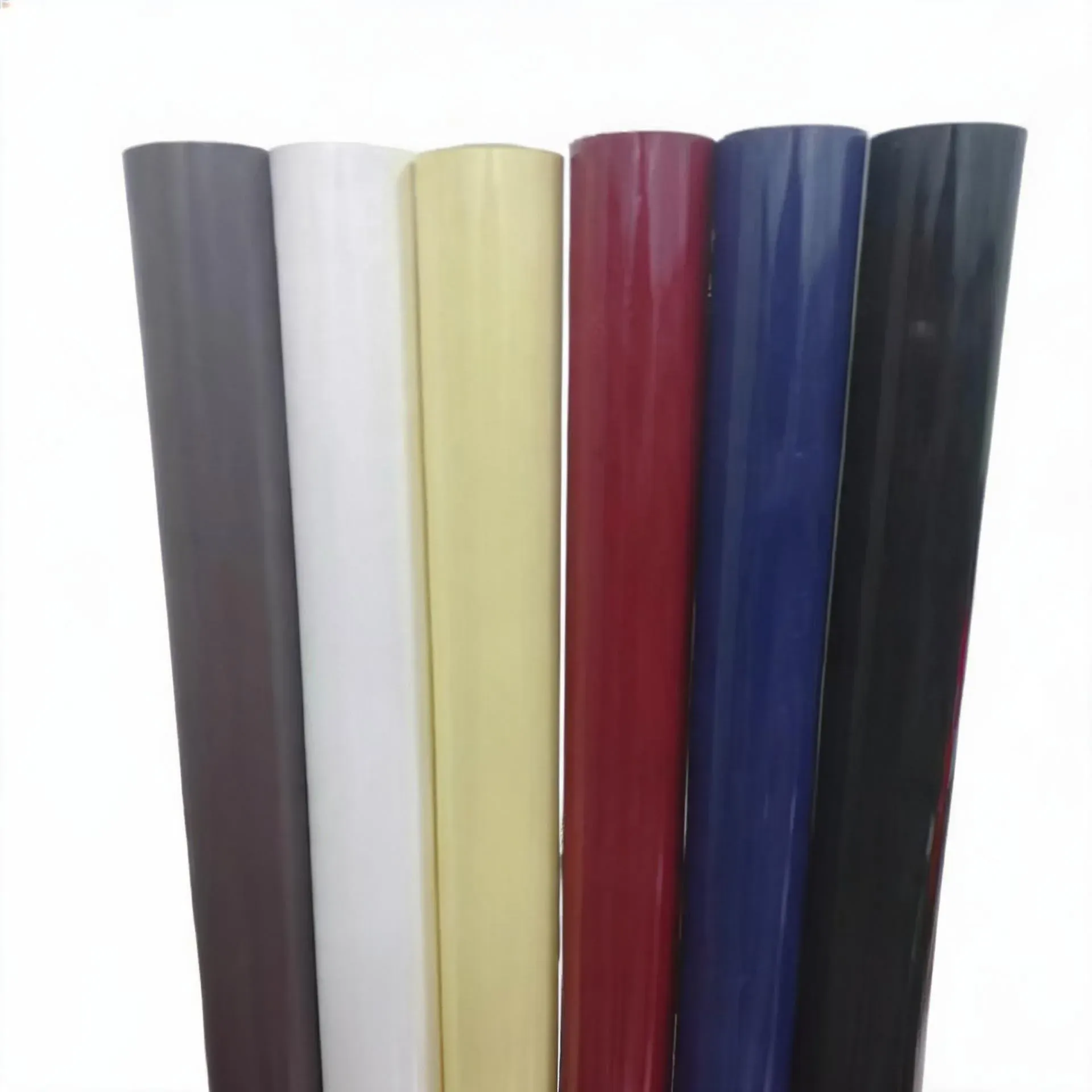
Every image that has to be re-stamped consumes foil twice: once for the failed pass and once for the correction. The reference window for paper, plastics, holographic, pearlescent and leather grades is 90-120 C; textile foils, applied with an adhesive, run 80-145 C.
Running outside the window is one common cause of rework. Too cool and the adhesive may not fully activate, so the image can lift or transfer in patches; too hot and the foil can blister or the release layer can fail early. Neither problem tends to show up on a flat sample the way it shows up at production speed.
So test at both ends of the window, on your own substrate and at your running speed. Our application data requires a trial before bulk use for that reason.
05 ORDERING THE RIGHT ROLL LENGTH
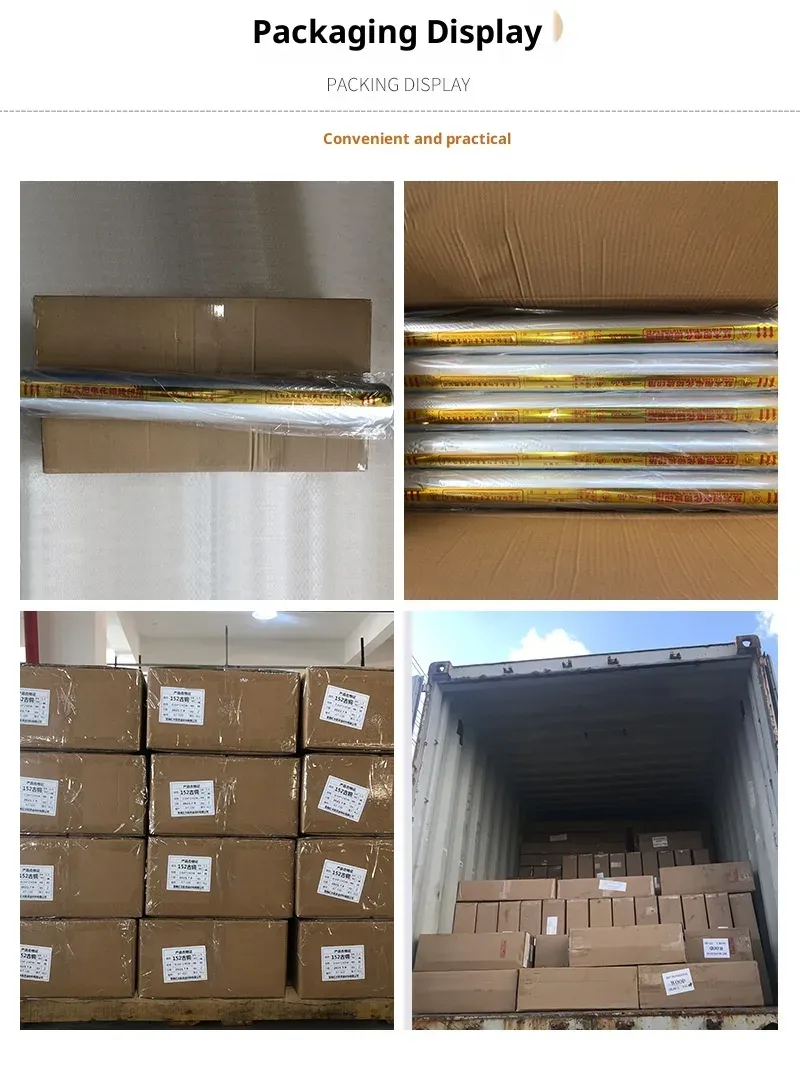
For the 0.64 m width, a 120 m roll weighs about 1.6 kg and packs 10 to a carton; 240 m is about 3.2 kg and packs 8; 360 m is about 4.8 kg and packs 6; 480 m is about 6.4 kg and packs 4.
Longer rolls mean fewer stops to change foil and less tail left on each core, but heavier lifts for the operator and more foil tied up in stock if the job changes. Short rolls suit short runs and frequent color changes; long rolls suit a repeat job that runs for days.
Match the roll length to the run, not to the shelf.
06 SIZE THE JOB BEFORE YOU QUOTE
Here is the arithmetic, with a deliberately simple example. An image 20 mm high along the foil path, with a 3 mm gap, advances 23 mm per impression. For 100,000 stamped images that is 100,000 x 0.023 m = 2,300 m of foil. At 120 m per roll, 2,300 / 120 = 19.2, so 20 rolls cover the run; at 240 m per roll, 2,300 / 240 = 9.6, so 10 rolls. Both roll counts assume no setup or tail allowance.
Now lay the same job out two-up across the web, if two images fit within the roll width: one advance serves two images, so the same 100,000 images need 50,000 advances and 1,150 m of foil. If a narrower roll is available, compare total foil area and cost, not just meters.
07 NEXT STEP
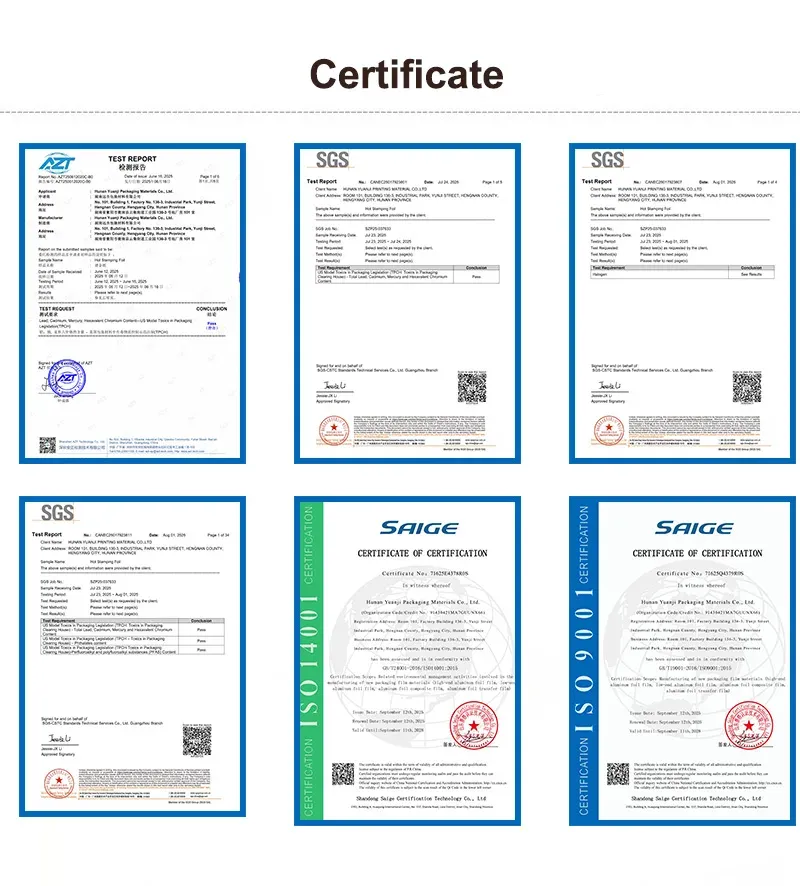
Send us your layout - sheet size, image position, die footprint and the number of images - and we will tell you which of our standard widths covers it and whether a custom width makes sense for larger volumes. Yuanji Foil is a hot stamping foil manufacturer in Hengyang, Hunan: a 20,000 m2 plant with a 1650 mm vacuum coating machine, more than 10 coating machines and 4 holographic embossers, with ISO 9001 and ISO 14001 management-system certificates and import and export rights.