What Should I Test Before Approving a New Hot Stamping Foil?
Test adhesion, temperature window, fine detail, and rub resistance on your real substrate before you approve a foil — here is the 6-step check we use with buyers.
The short answer
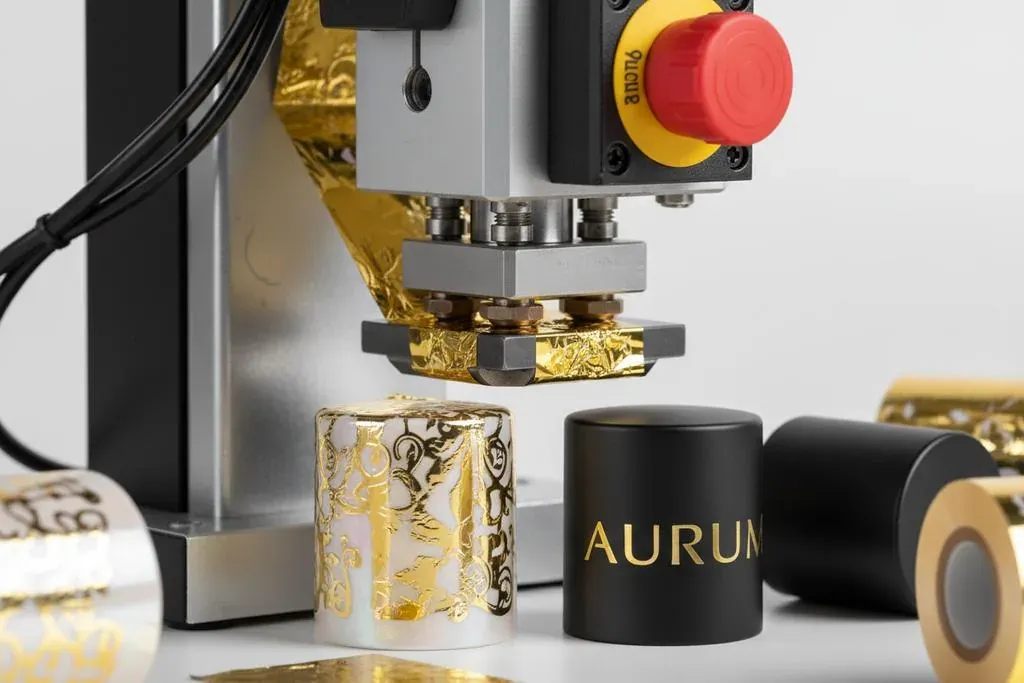
Do not approve a foil from a swatch book alone. Test it on your actual substrate, on your own machine, with your real artwork, at production speed. If it passes adhesion, fine detail, and rub resistance there, it will usually pass in production. If it only passes on a supplier's sample board, you have not tested it yet.
Run these six checks, record the settings that pass, and keep one approved sample for the next order.
1. Test on your real substrate, not a generic sample
Foil does not fail in general. It fails on a specific surface.
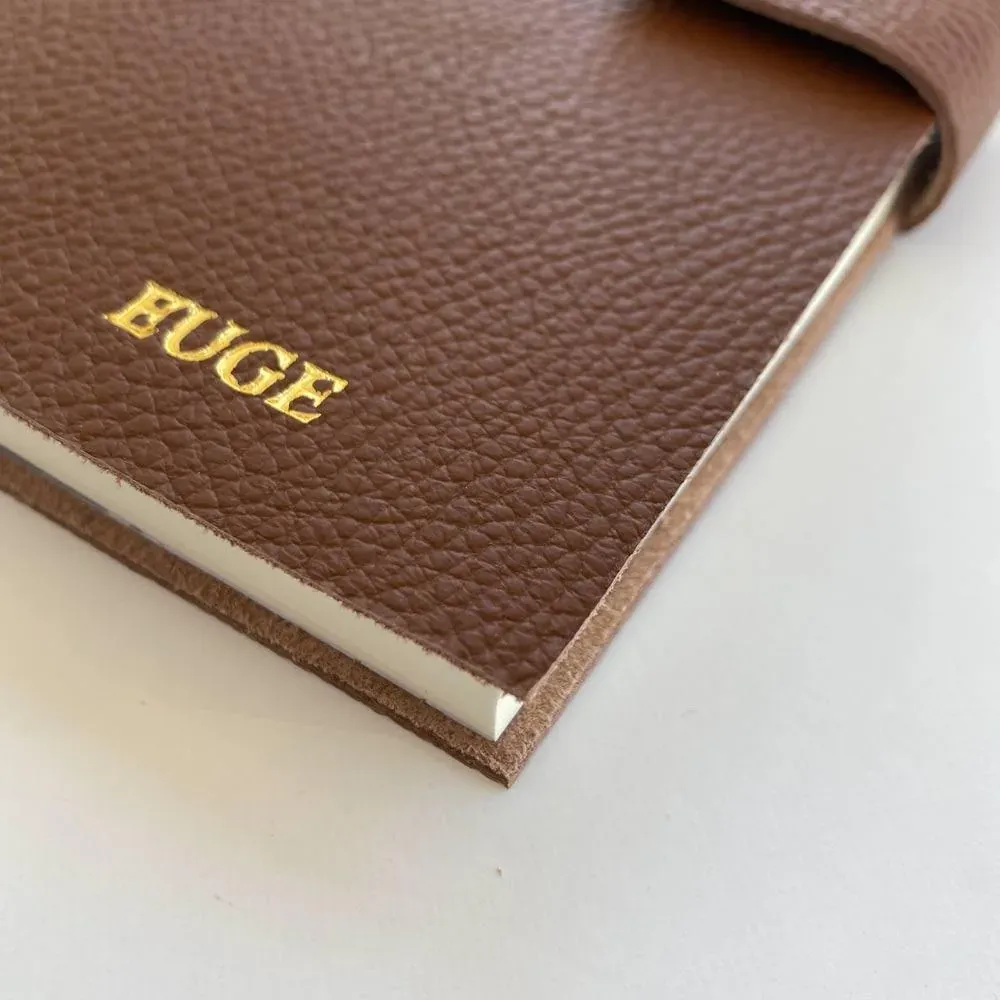
Test on the exact paperboard, plastic, leather, or textile you will run, including any coating, lamination, varnish, or UV layer already on it. A foil that works well on uncoated paperboard can peel on UV-coated paper, and a foil that works on ABS can behave differently on PP.
Send the supplier the same substrate you will use in production, not a close substitute. If your board is laminated or varnished, say so. That one detail changes the foil grade more often than any other.
2. Find the temperature window, not one temperature
Every foil has a working window, not a single magic number. Too cold and the foil will not release cleanly or bond. Too hot and fine lines fill in, edges blur, or the coating distorts.
Start low, raise the temperature in small steps, and note where the result first becomes clean and where it starts to fail. Record both ends of that window, not just the middle.
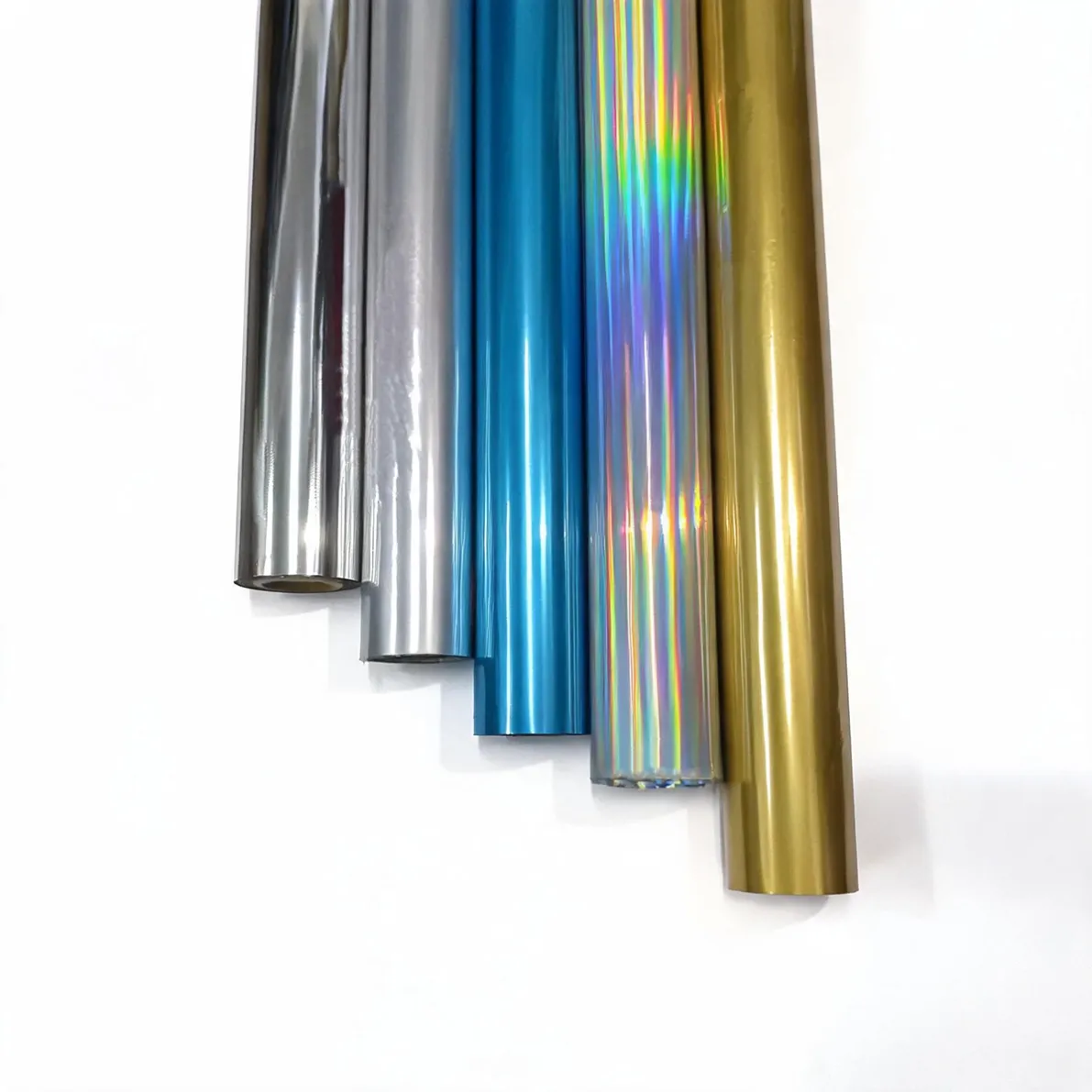
Temperature varies with substrate and stamping area. For example, in our range, coffee-tone foil is listed at 90–140°C, standard gold at 90–120°C, and textile grades at 80–145°C, with the exact setting depending on the material and the size of the stamped area. Your own window may be narrower. Do not copy a temperature from another job.
Also record pressure and dwell time at each step. A foil that passes at a slow test speed can fail at full production speed if dwell time drops.
3. Check fine detail and small letters
Use your smallest text and finest lines in the test, not only a large logo. Small letters are the first place a foil shows a problem: they fill in when the temperature is too high, the pressure is too heavy, or the foil release is too fast for the detail.
Stamp your actual artwork, check it under good light and with a loupe if you have one, and compare it with the approved proof. If small text is readable and edges are sharp at your chosen setting, you are in the window. If it is not, change one setting at a time and test again.
4. Test adhesion the way your customer will test it
A tape test is the fastest useful check. Press tape firmly on the stamped area, pull it off at a steady angle, and look for foil lifting. This is the same idea as the tape adhesion methods in ASTM D3359 and ISO 2409, which are widely used for coatings and printed layers.
Do the test right after stamping, and again after 24 hours. Some adhesion problems only show up after the adhesive has fully set or after the part has cooled.
Also flex or bend the part the way it will be used. A foil that looks perfect flat can crack on a leather handbag that bends, or peel on a plastic cap that is pressed into place. Test the finished part, not only a flat sheet.
5. Test rub, scratch, and alcohol resistance
If the product will be handled, packed, shipped, or cleaned, test for that.
Rub the stamped area with a dry cloth, then with a slightly damp cloth, for a fixed number of strokes. Check for dulling, loss of shine, or foil coming off. For plastic parts, also check scratch resistance with a fingernail or a soft tool, and if the product may meet alcohol-based cleaners, wipe it once with alcohol on a cotton swab and check again.
Do not accept "it looks fine" as a result. Write down how many strokes it survived and what changed, so the next batch can be checked the same way.
6. Run a short production trial, then approve
A single good stamp is not an approval. Run a short trial at your normal speed, check the first, middle, and last pieces, and look at waste: missed areas, double images, foil bridging, and edge build-up.
Approve only when you have: the substrate and foil grade written down, the temperature window, pressure, and dwell time that passed, a tape-test result after 24 hours, a rub/scratch result, and one signed, dated sample kept for the next order.
If any of those is missing, you are approving on hope, not on evidence.
What to send a supplier for a sample test
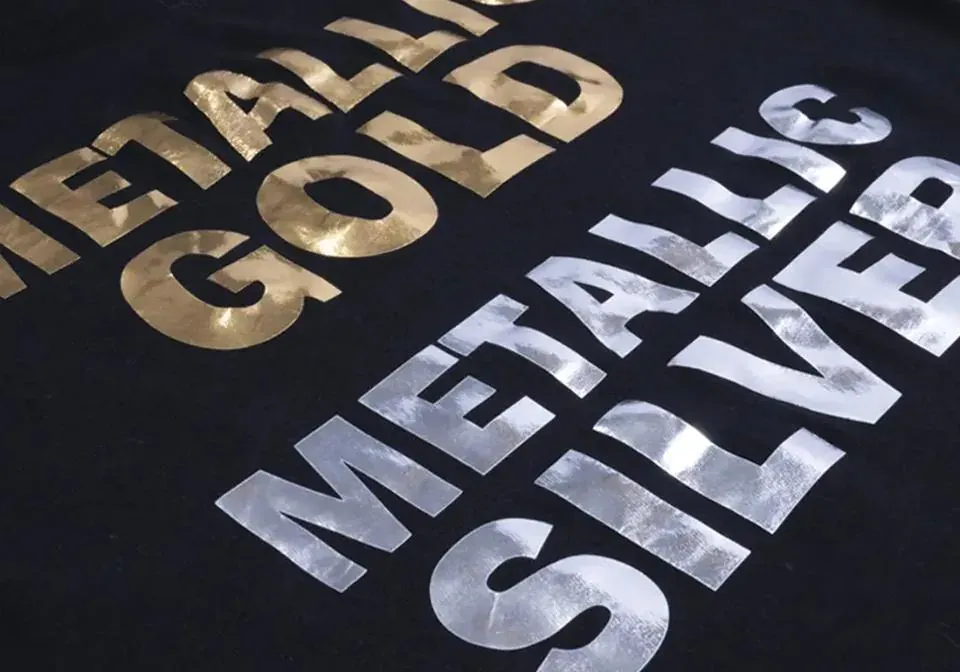
To get a useful sample, send: your substrate, including coating or lamination, your machine type and speed, your artwork, especially the smallest text, the target effect, for example gold, holographic, or pigment, and the quantity you expect to order.
A supplier who asks for those details is testing the foil for your job. A supplier who does not is guessing.
Get a sample tested for your substrate
Send us your substrate, machine details, and target effect, and we will recommend a grade and test it before you order. Use the inquiry form on our Contact page, email kevin@yuanjifoil.com, or WhatsApp +86 199 1896 1505.